Published: August 13, 2026
August 13, 2026
August 13, 2026
August 13, 2026

August 13, 2026
August 3, 2026
August 3, 2026
August 3, 2026
August 3, 2026

Published: August 13, 2026
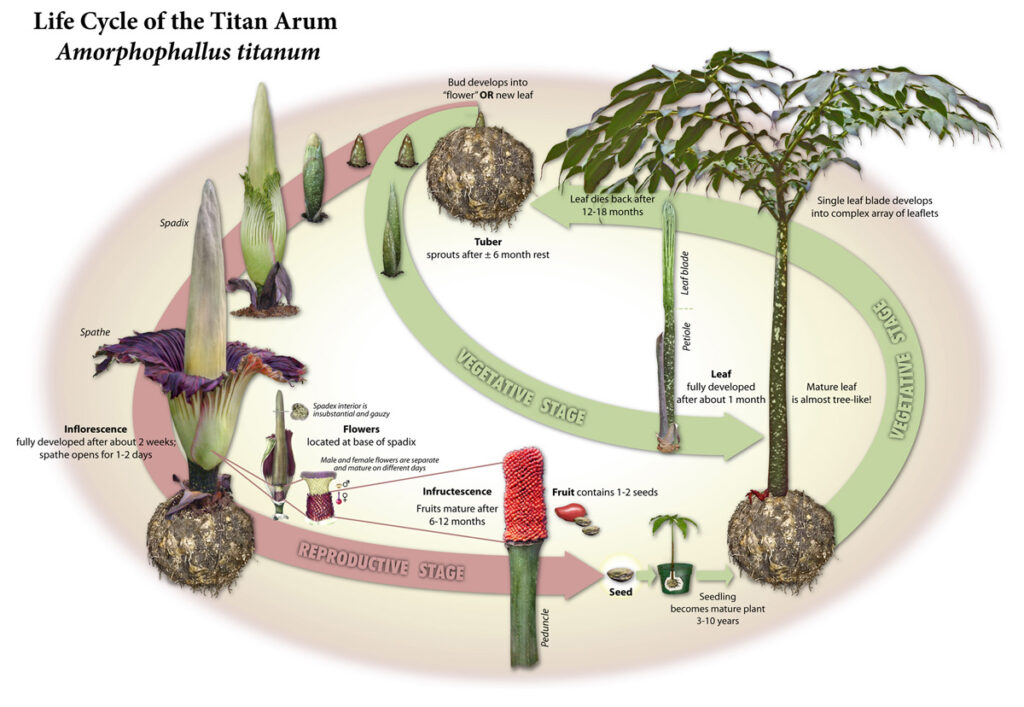
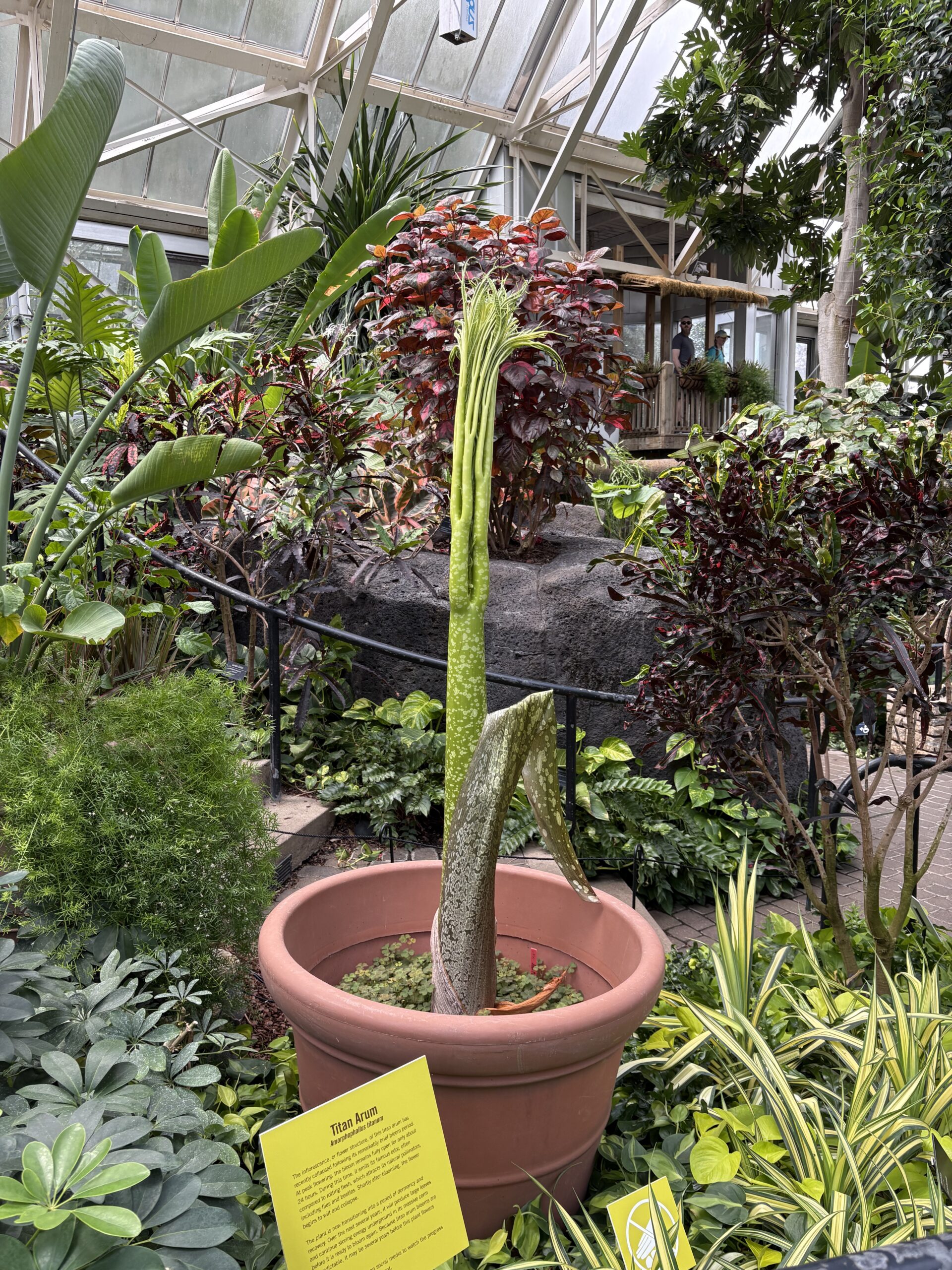
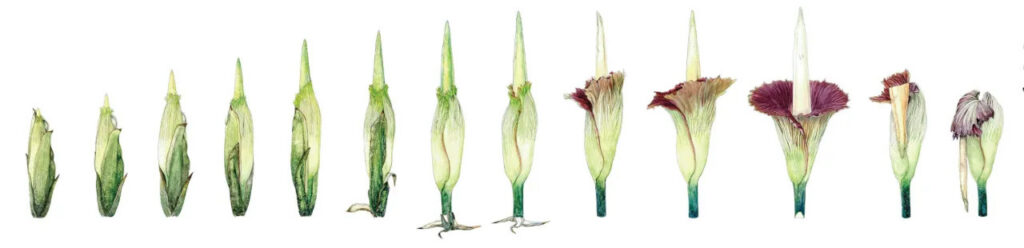 Image courtesy of US Botanical Garden
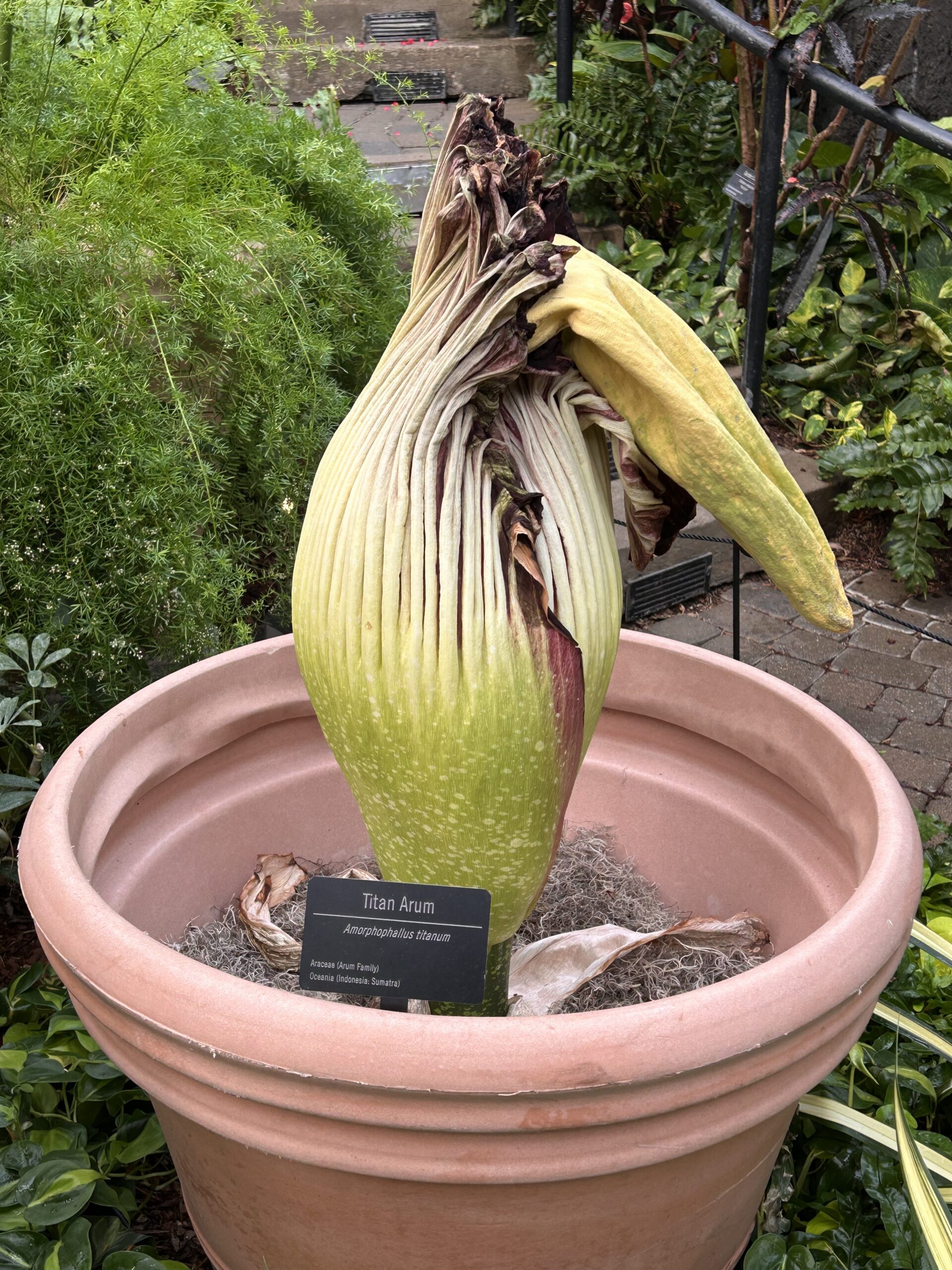
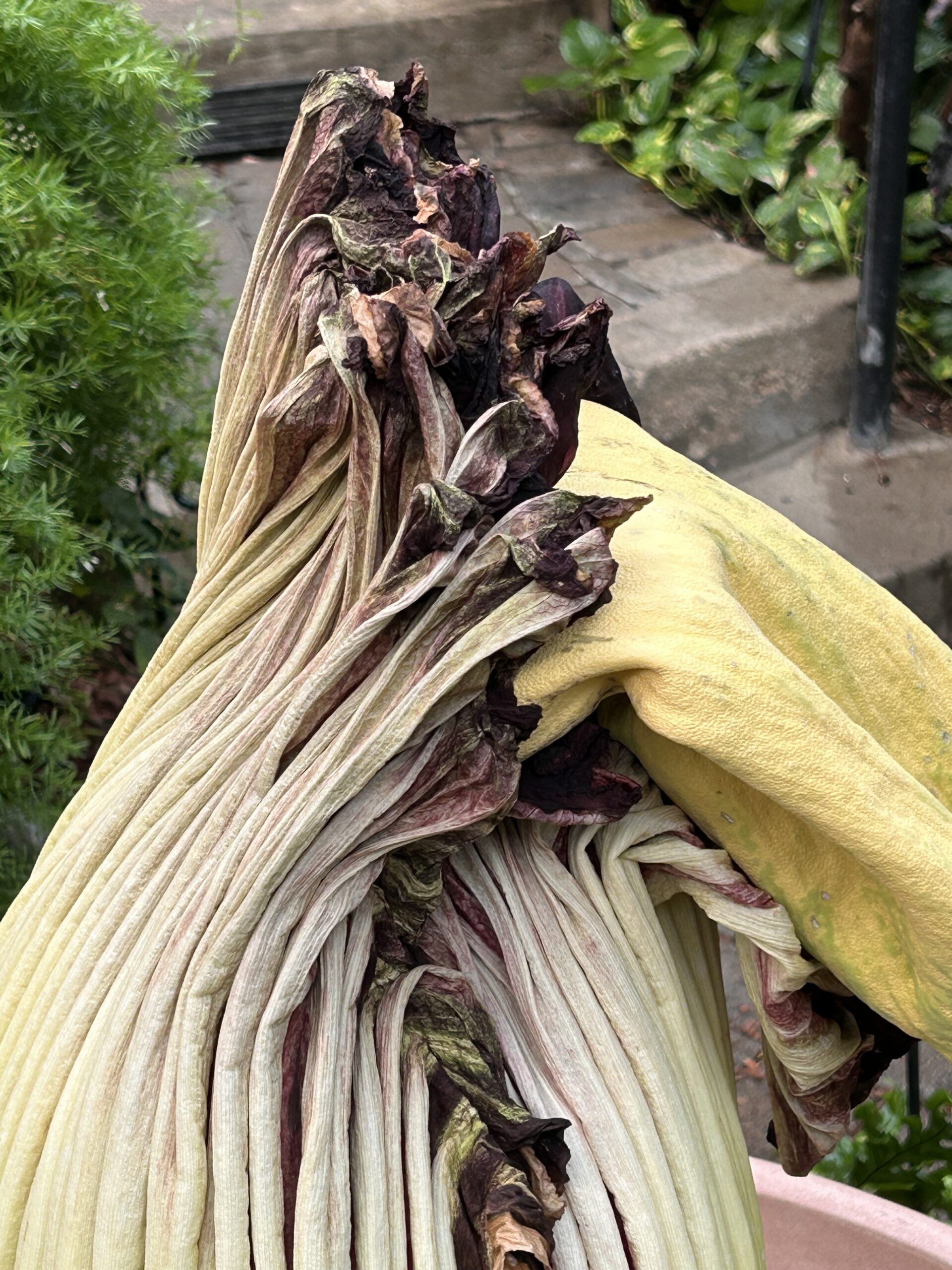
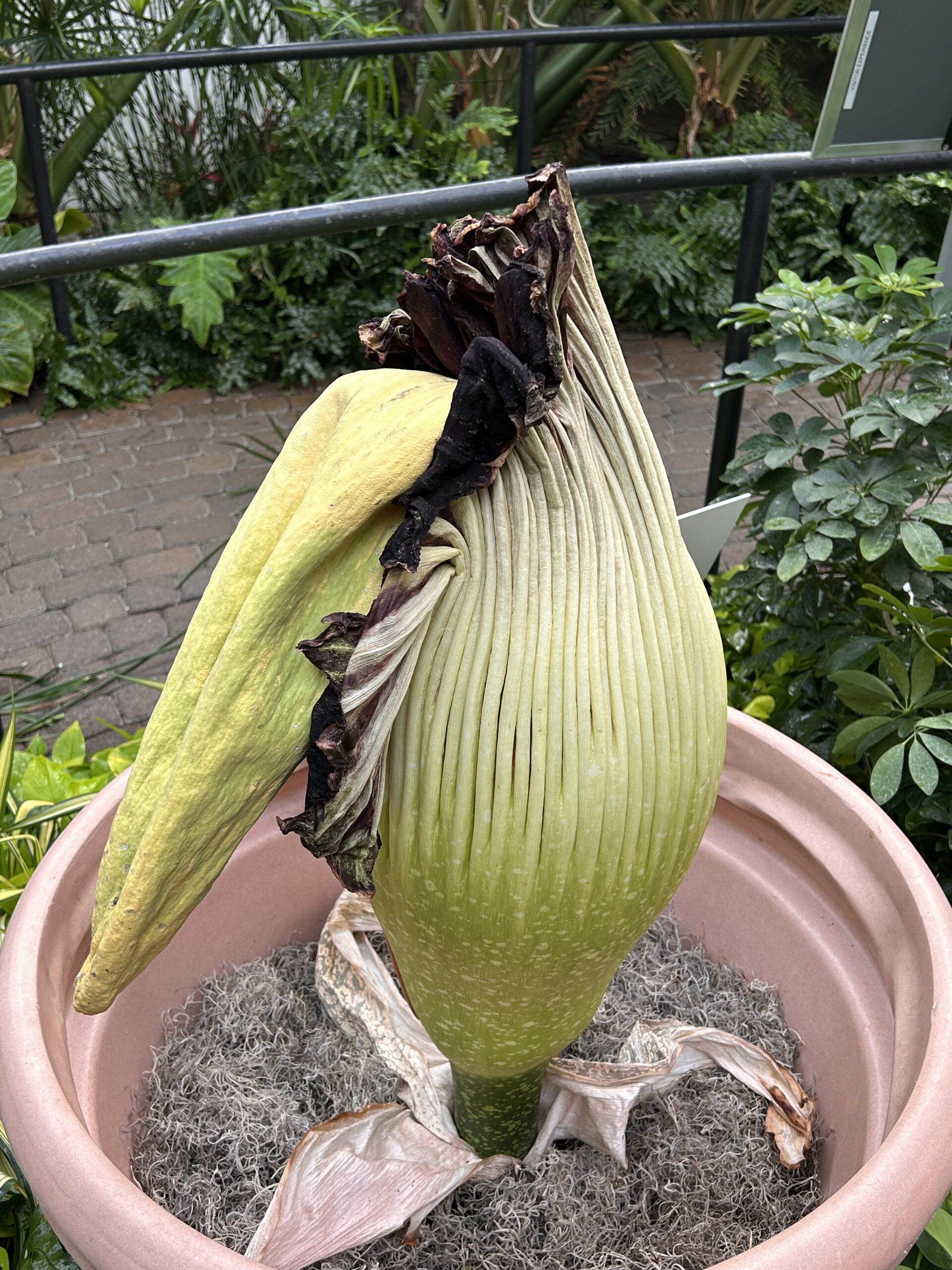
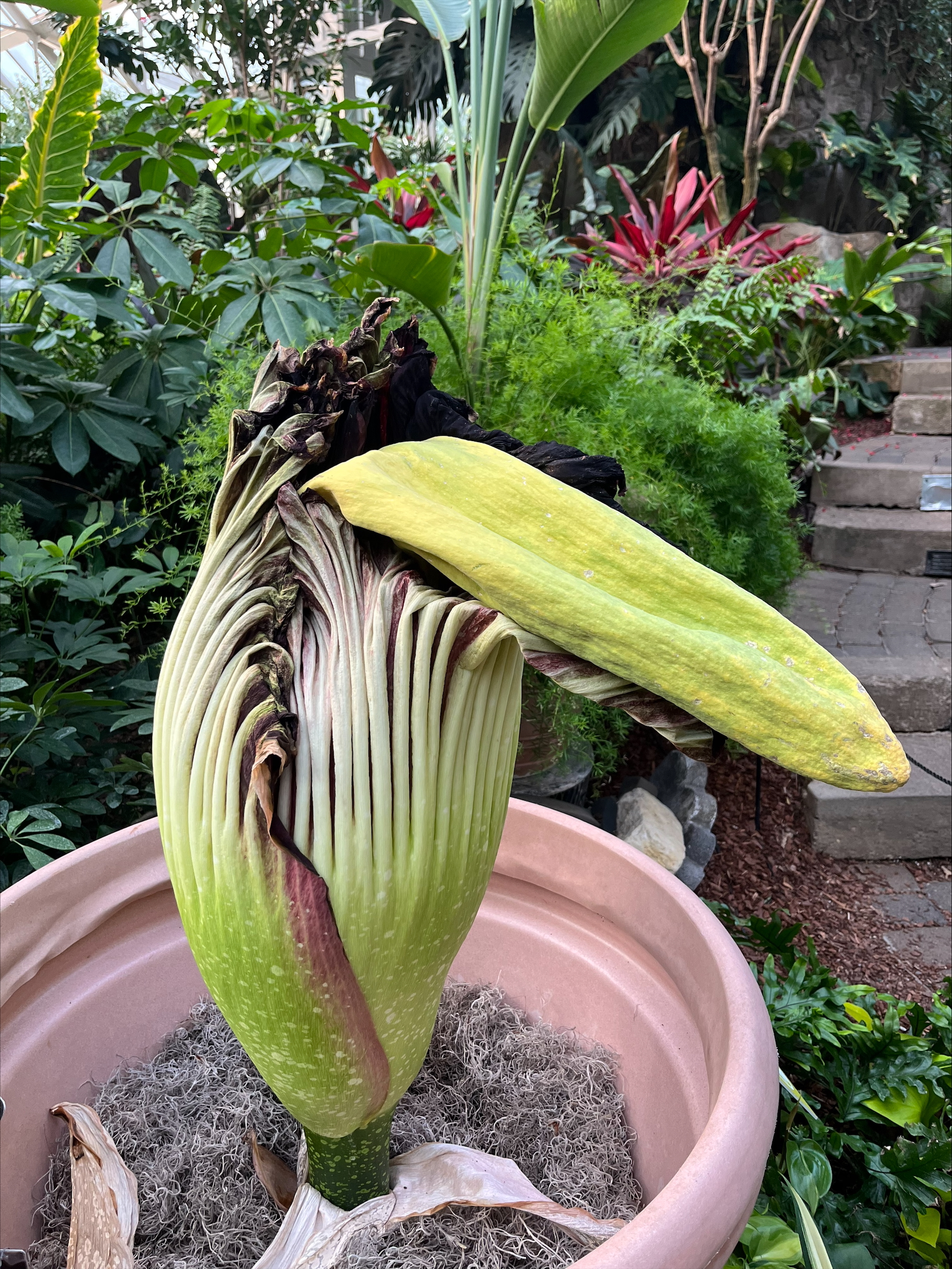
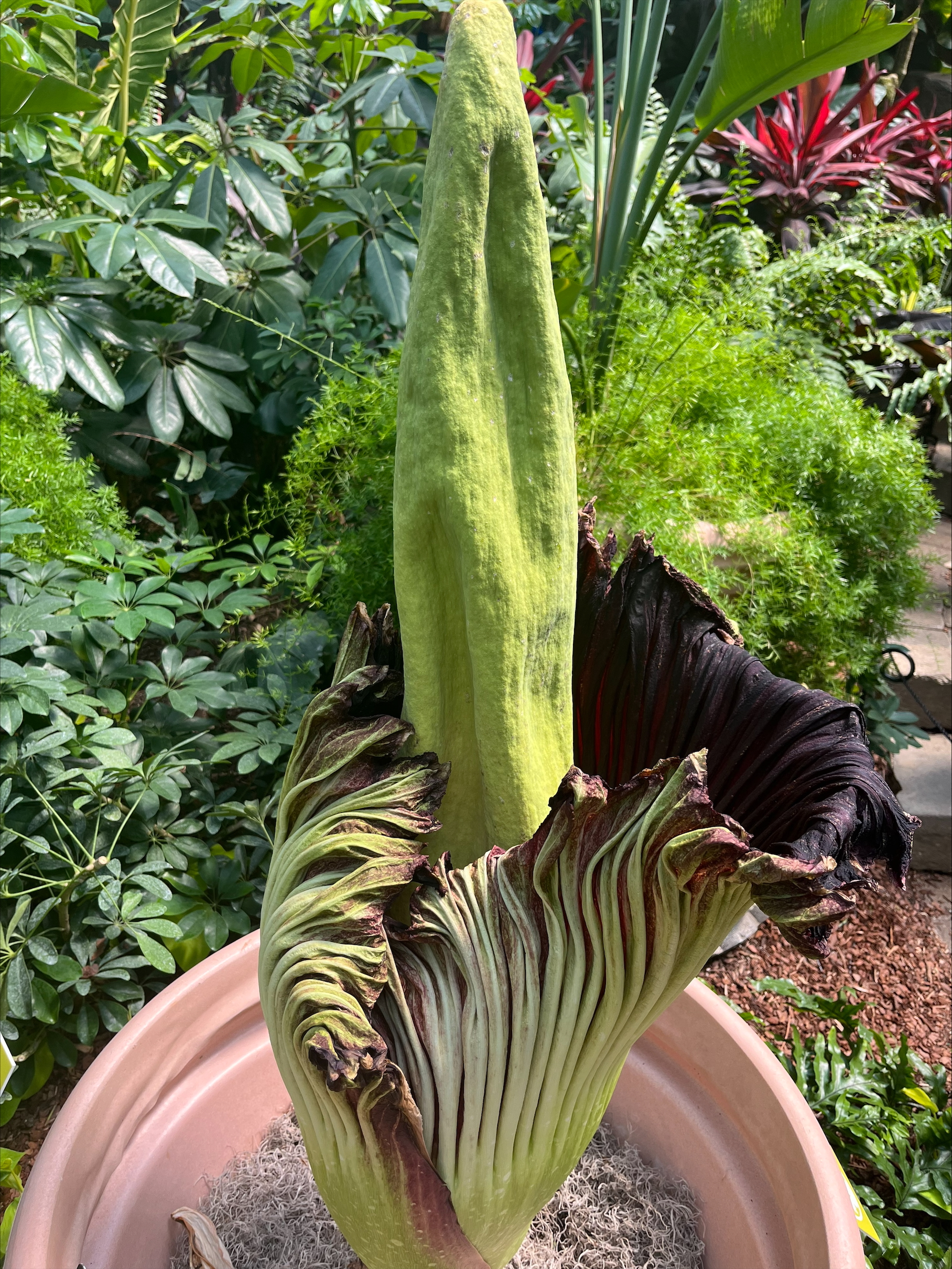
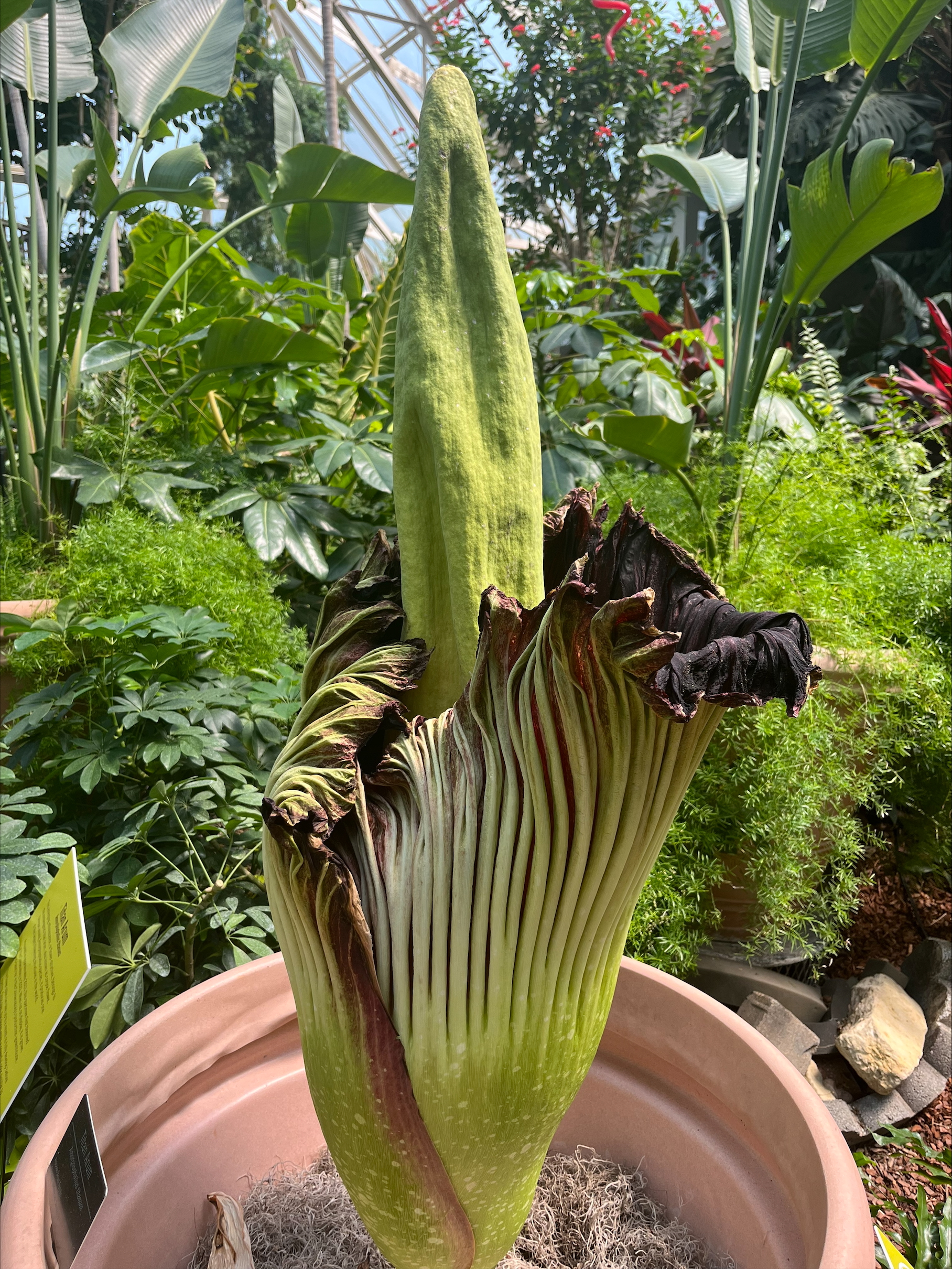


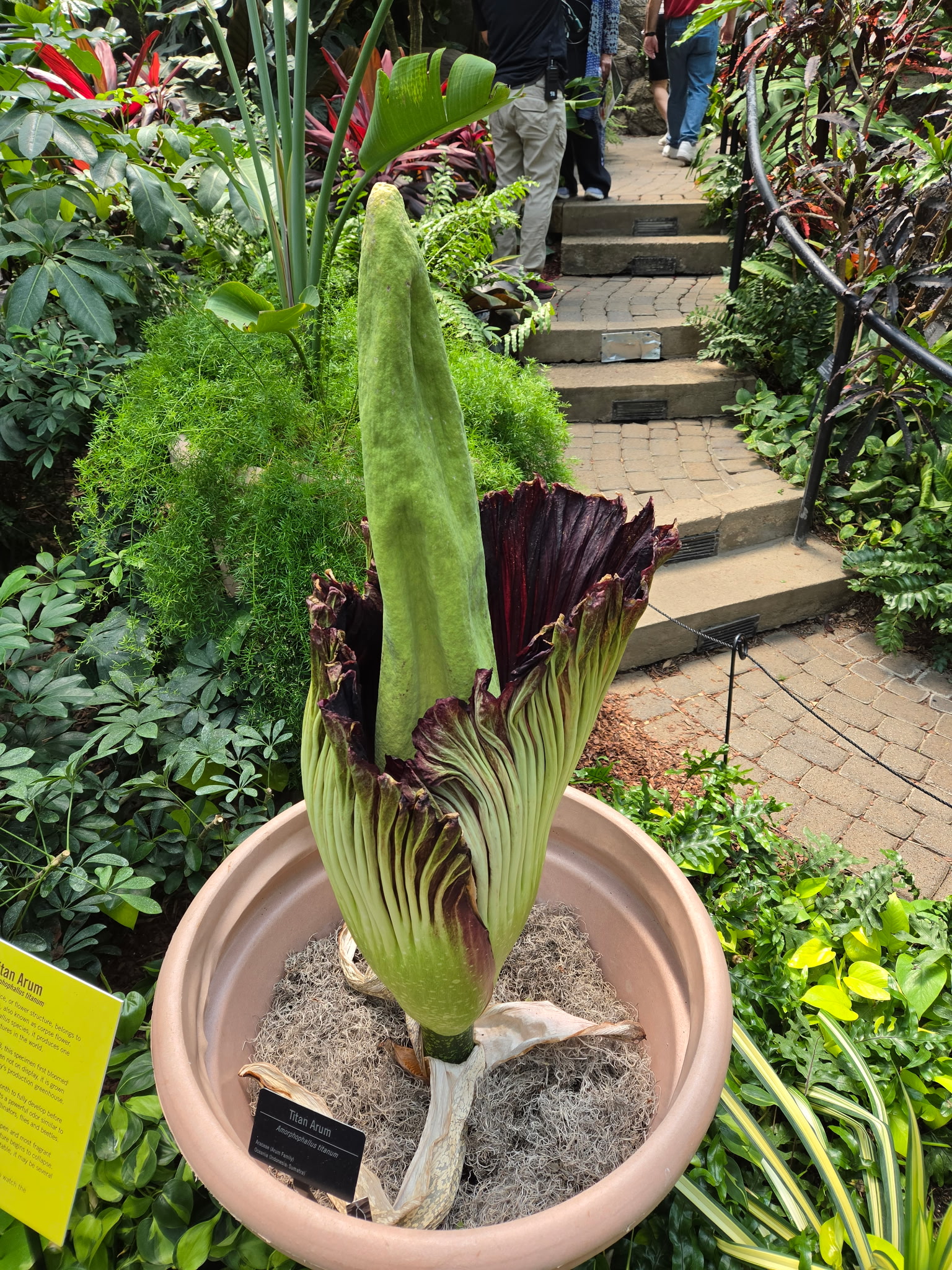
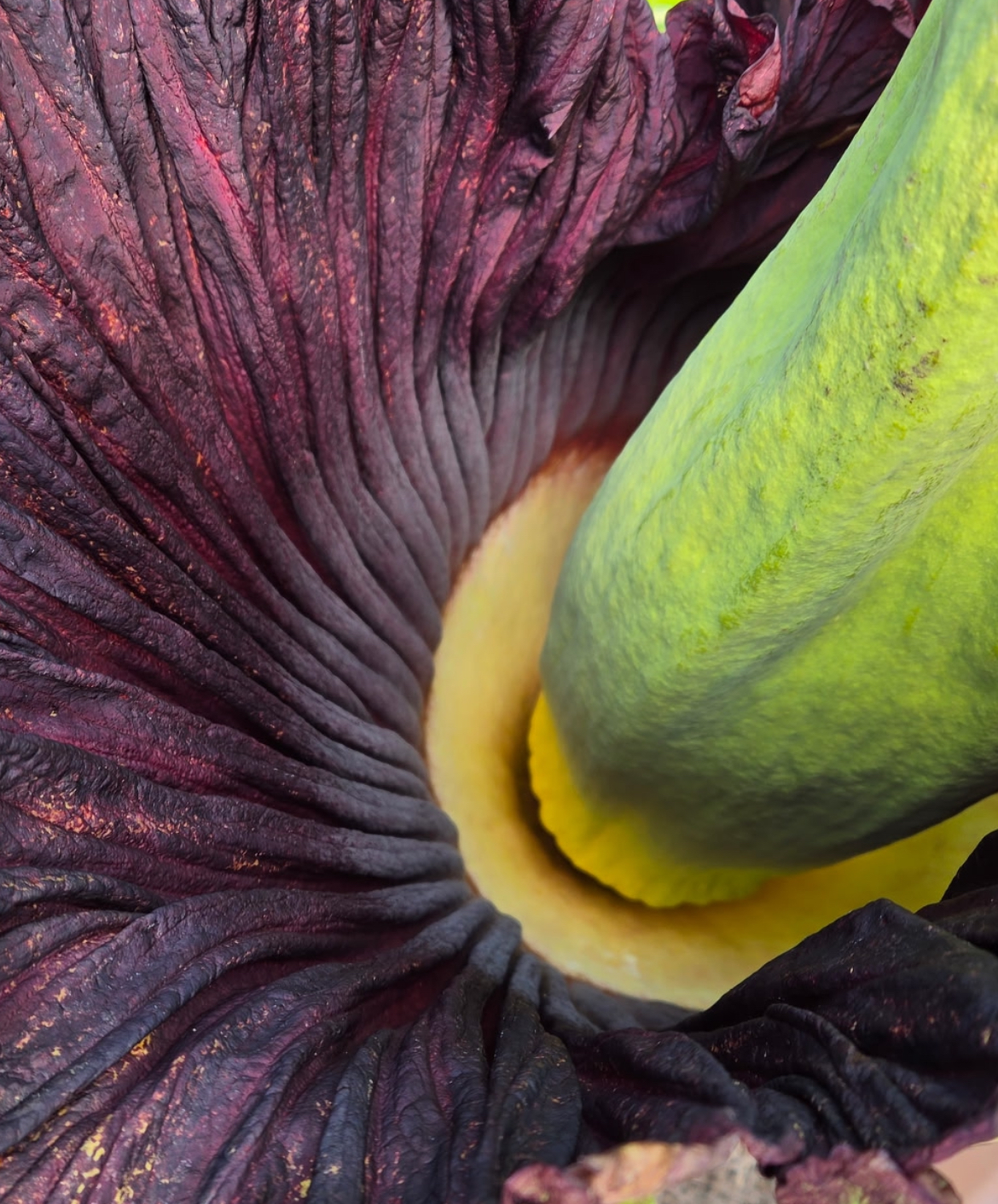
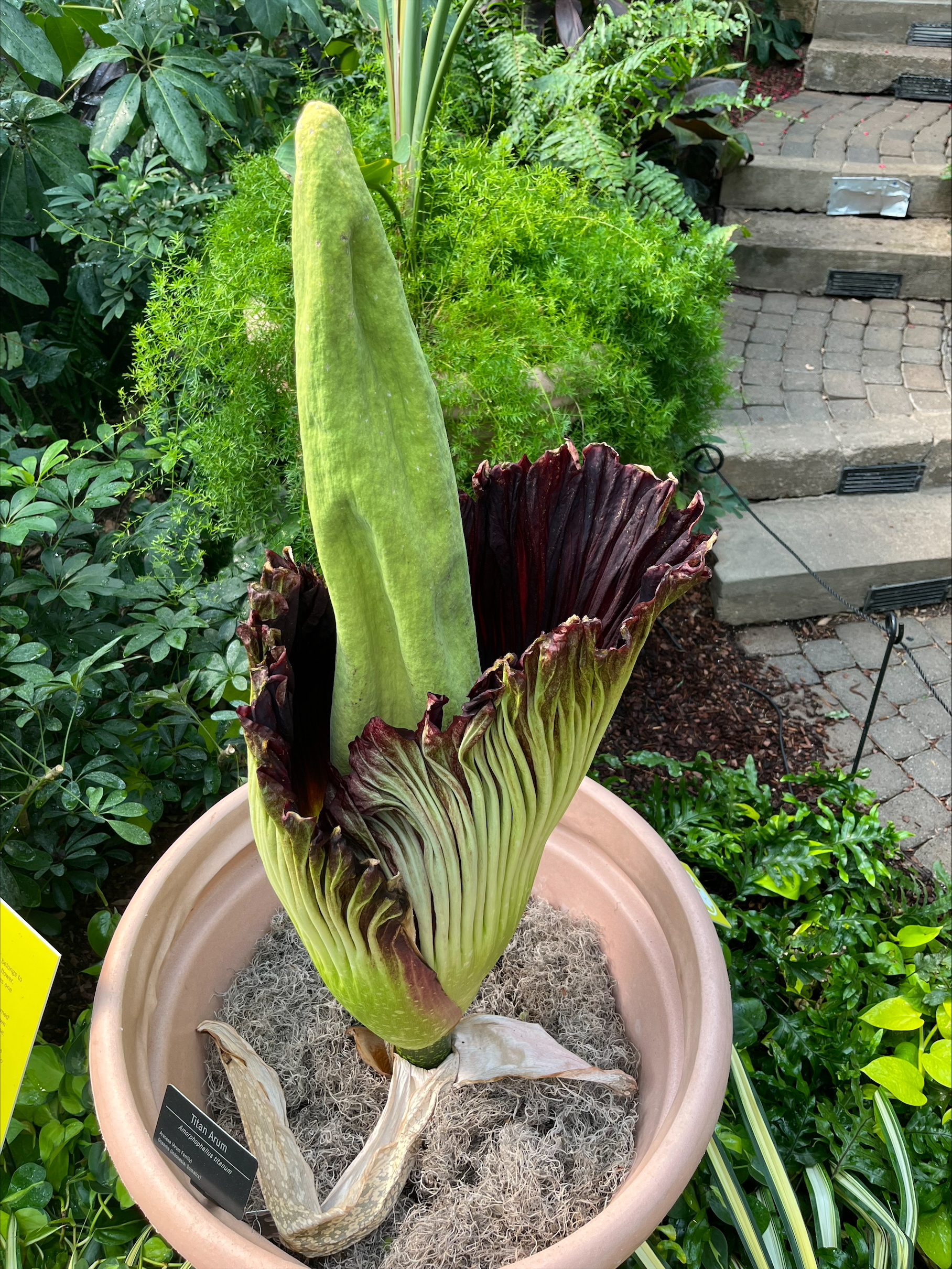
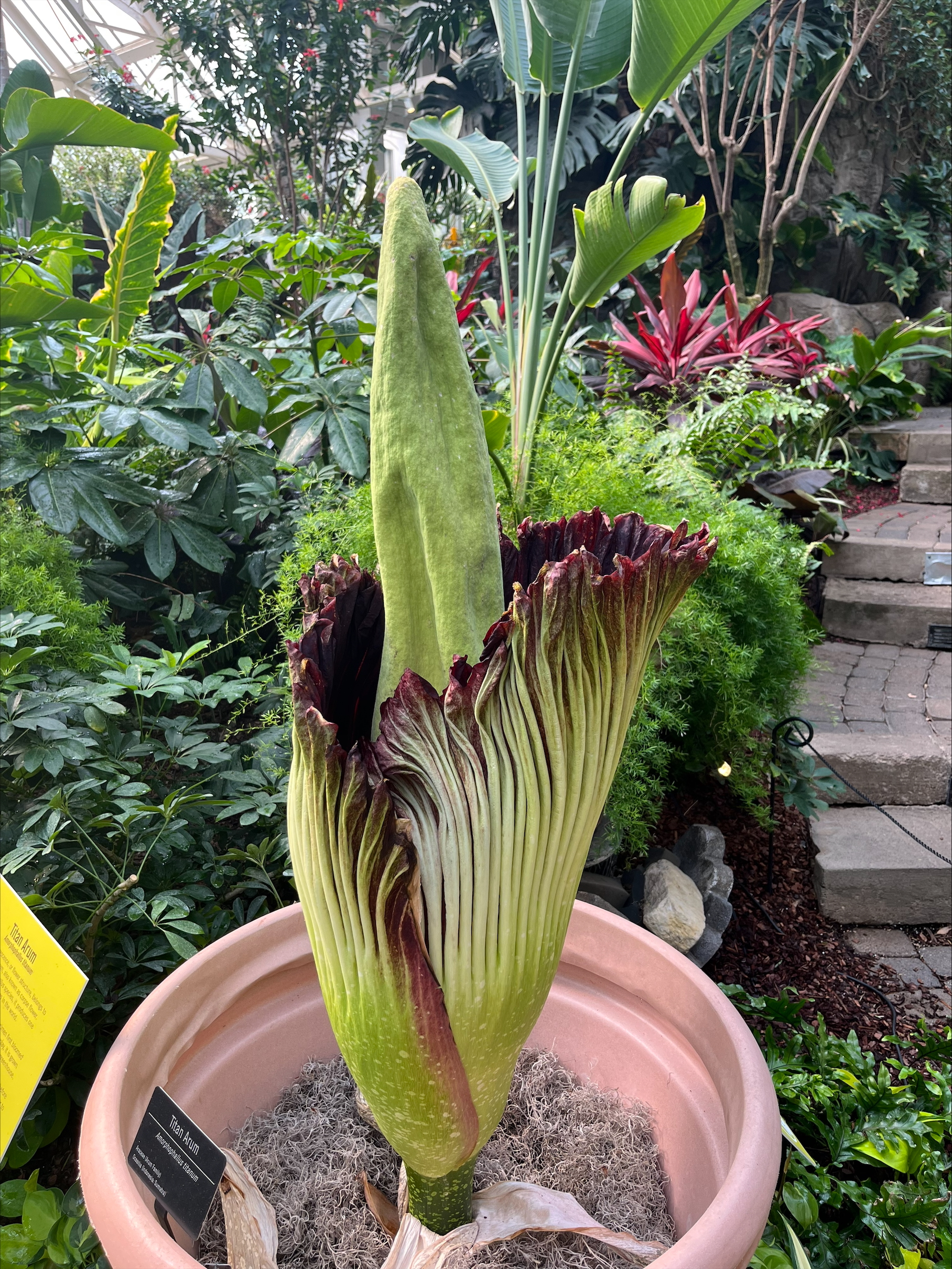

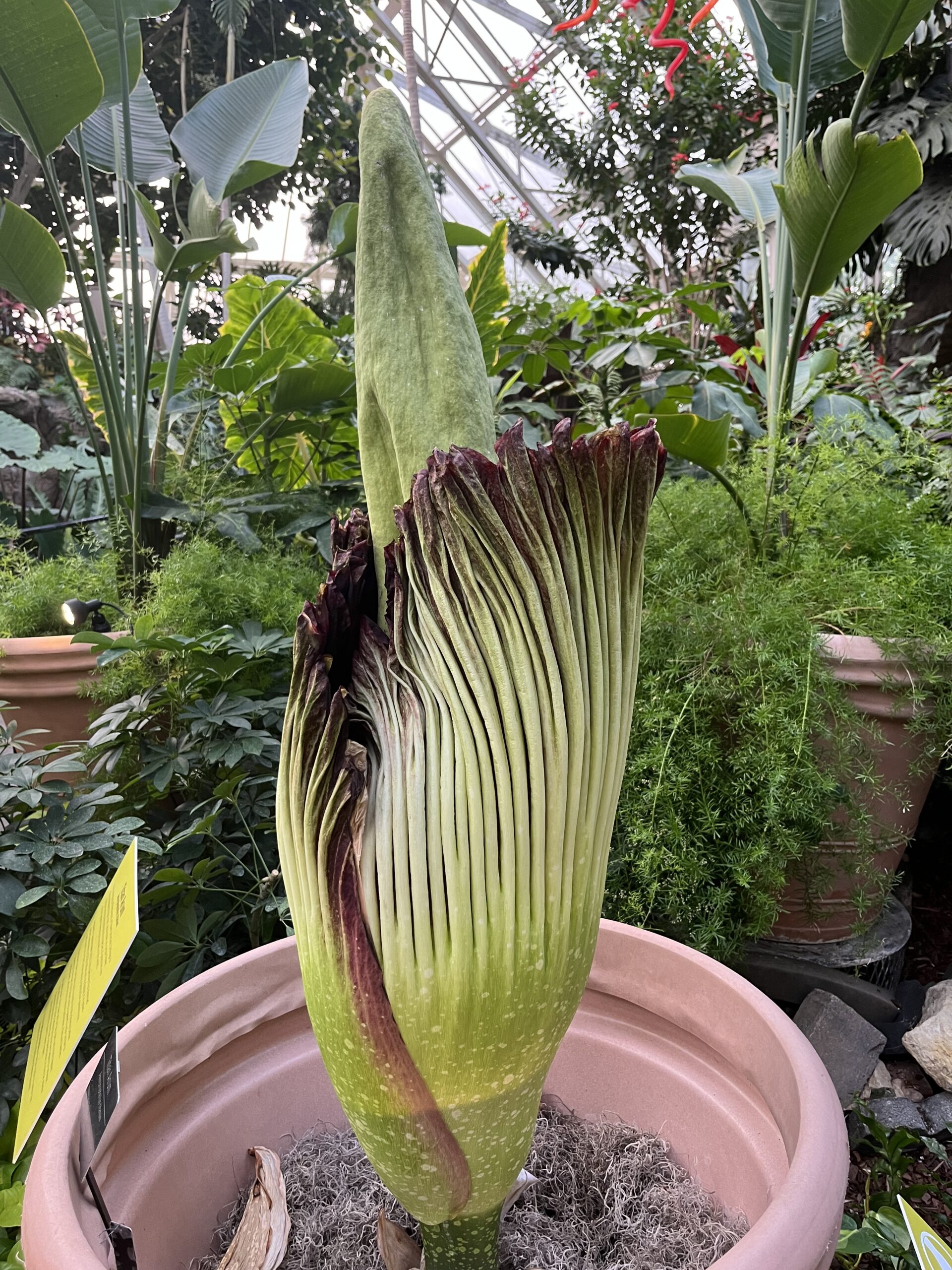
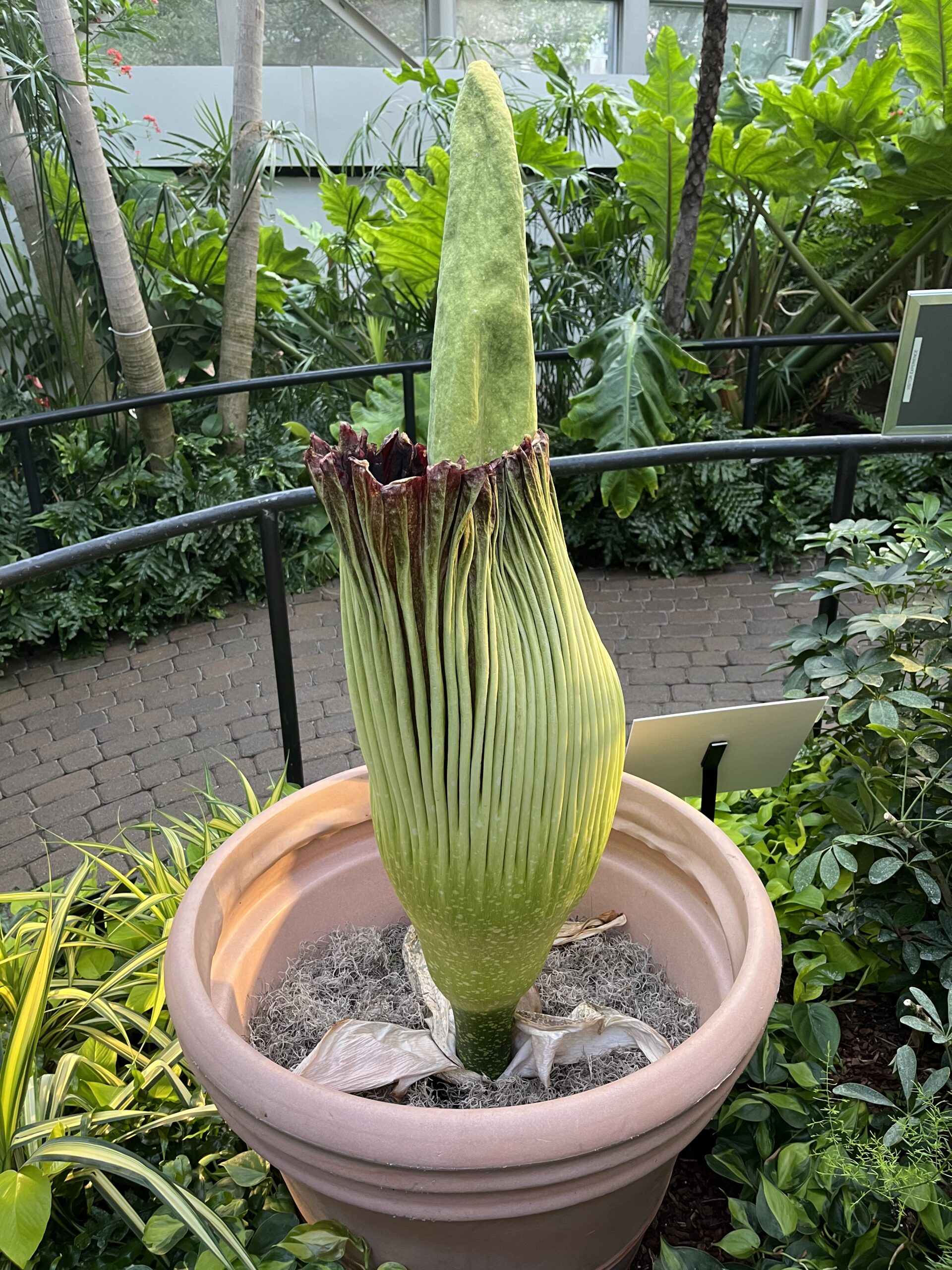
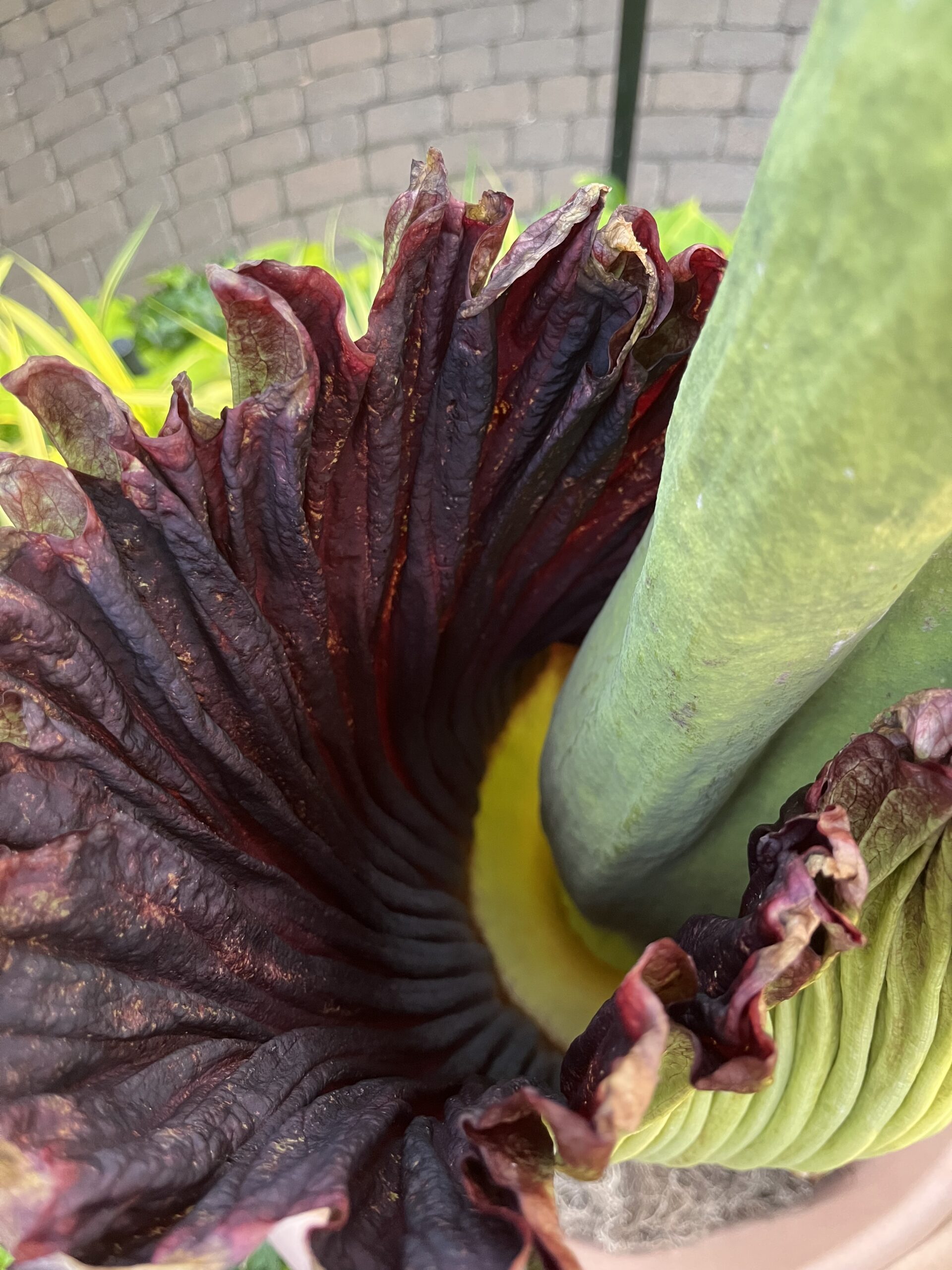
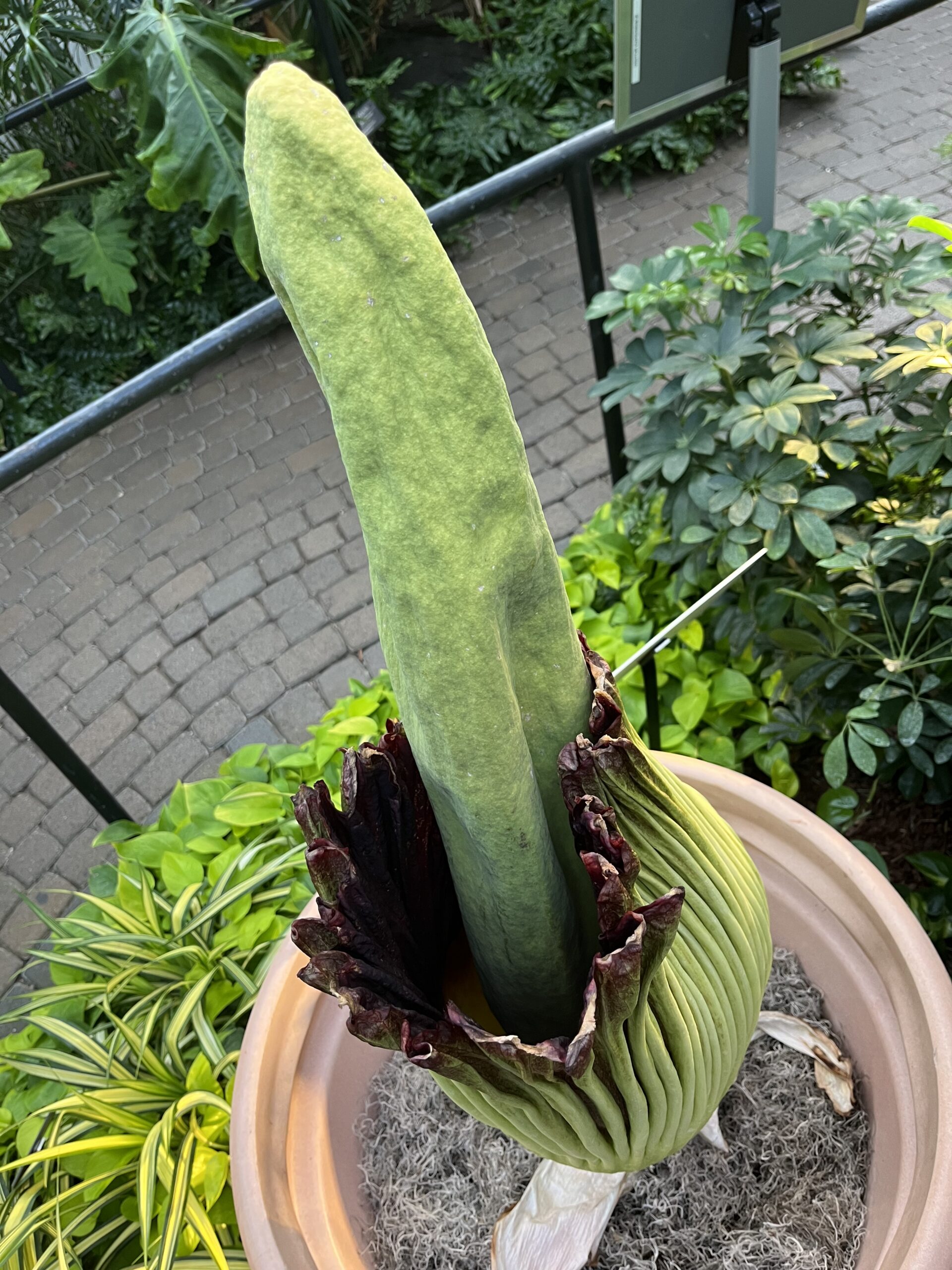
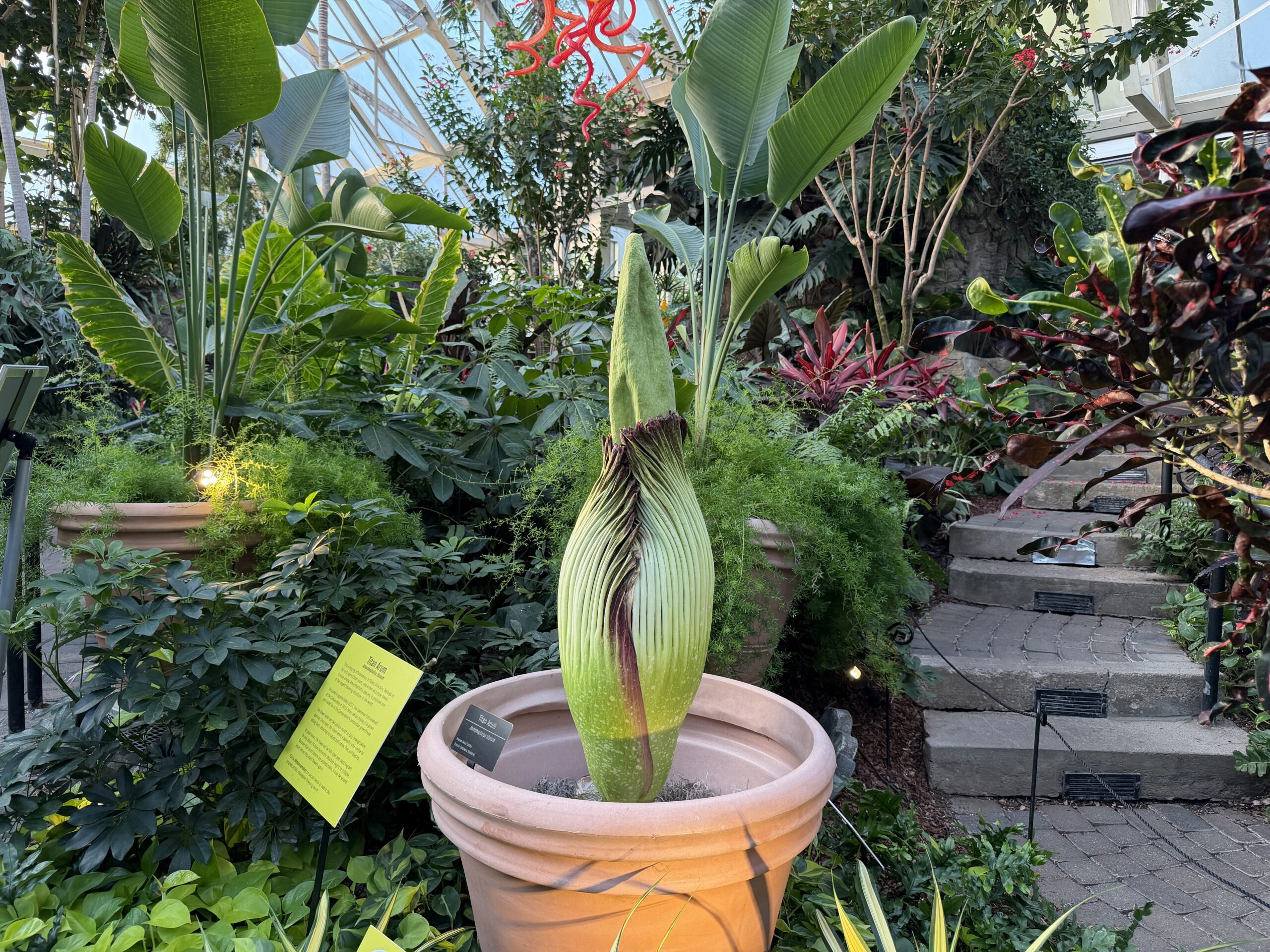

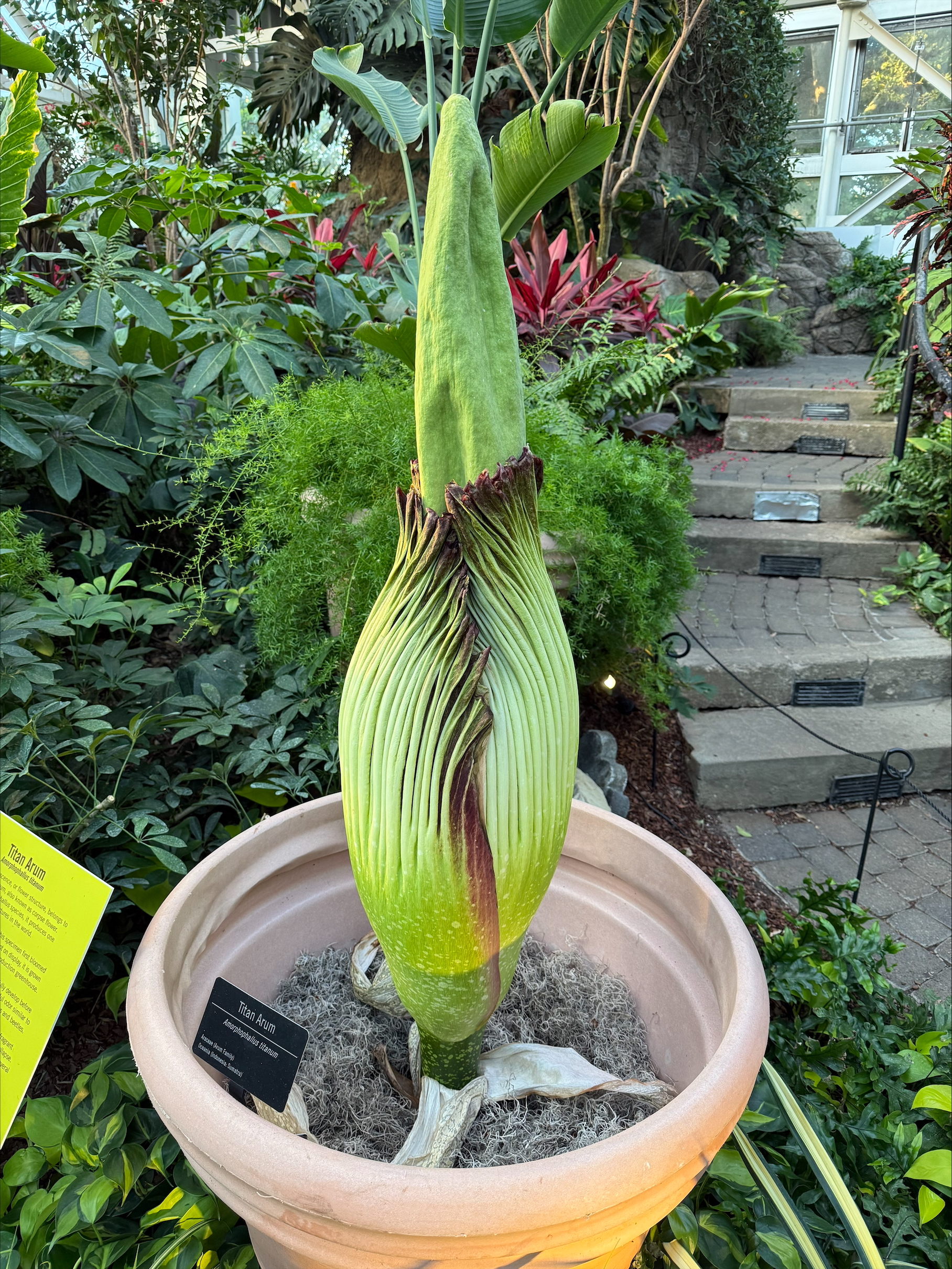

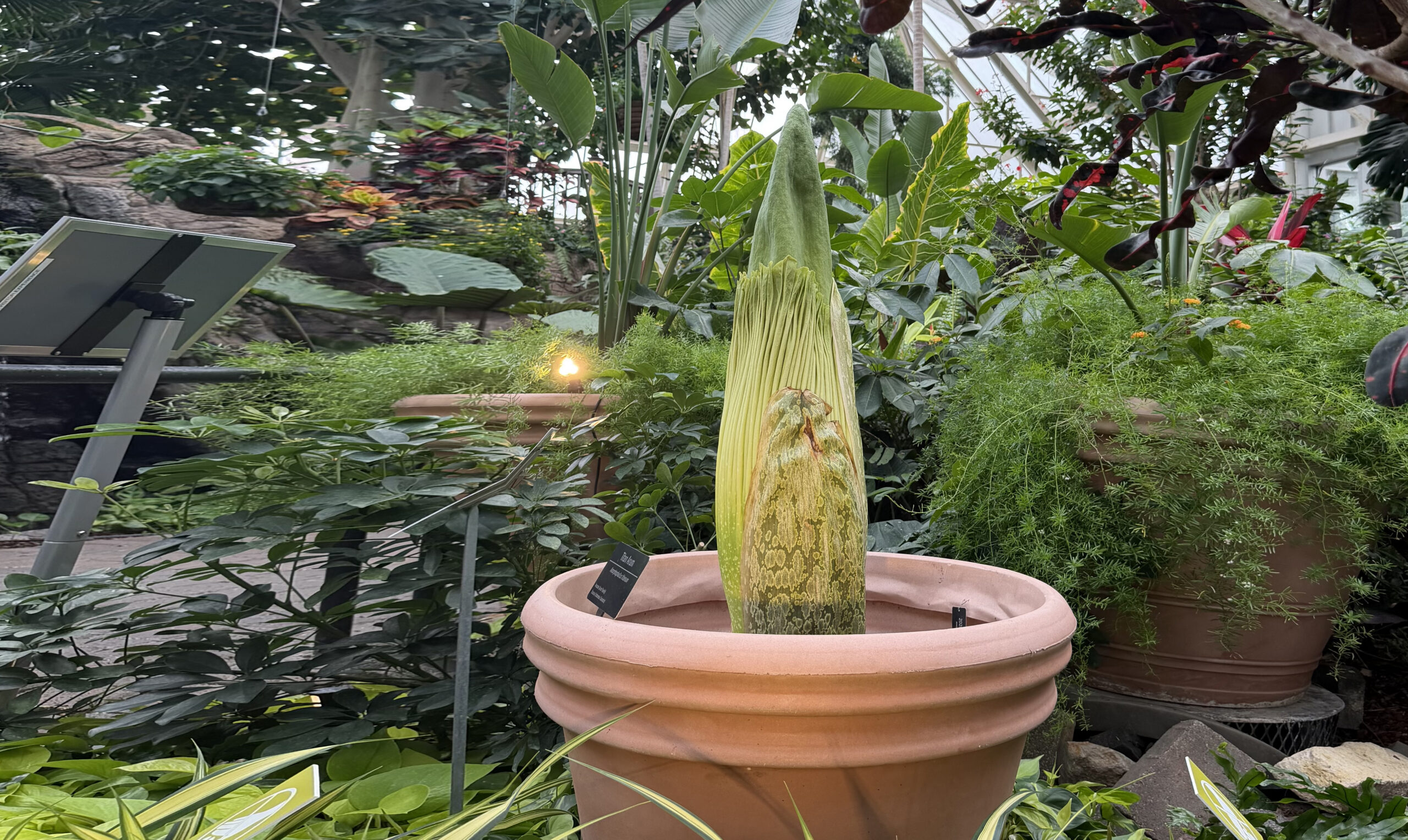
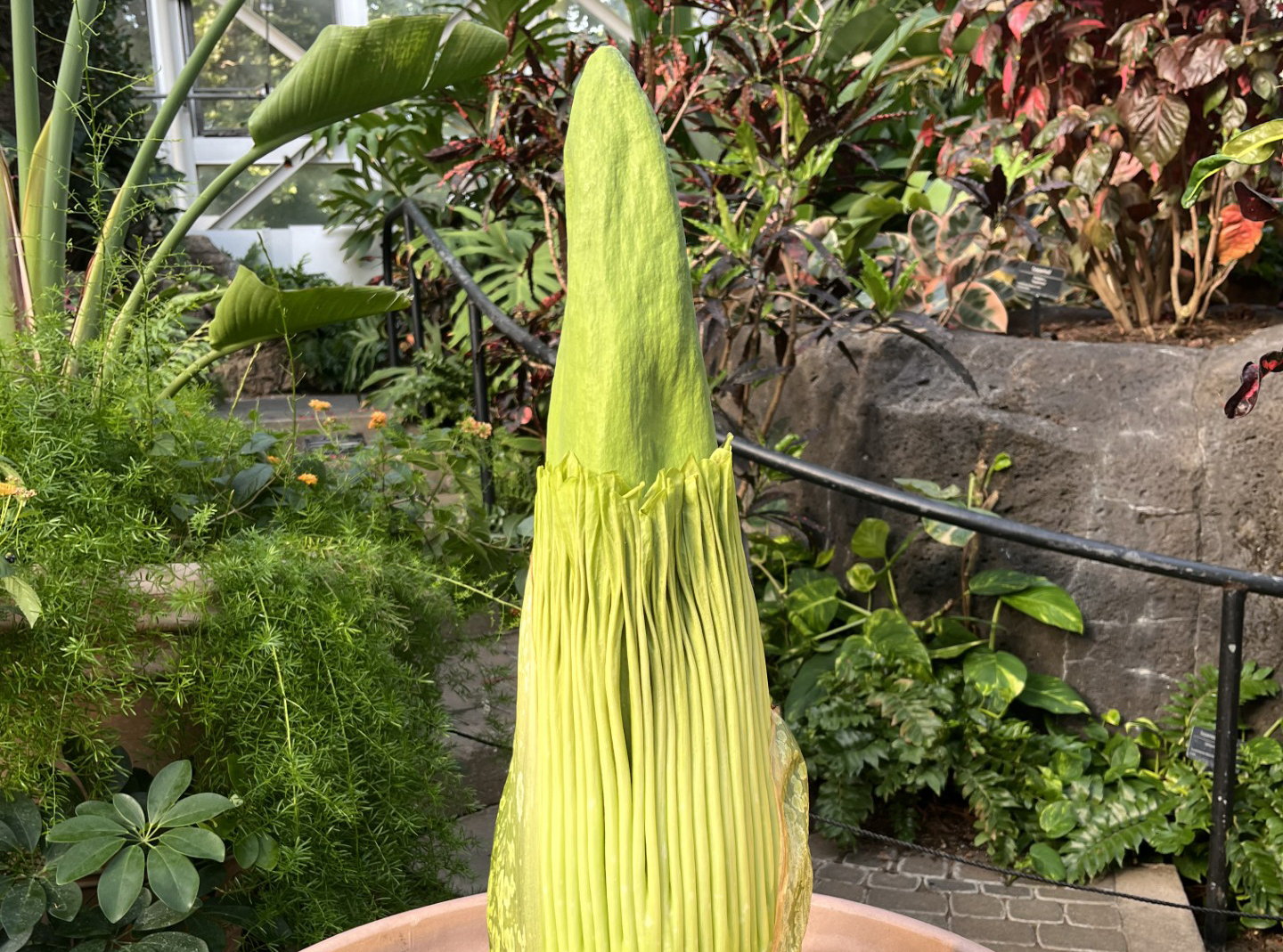
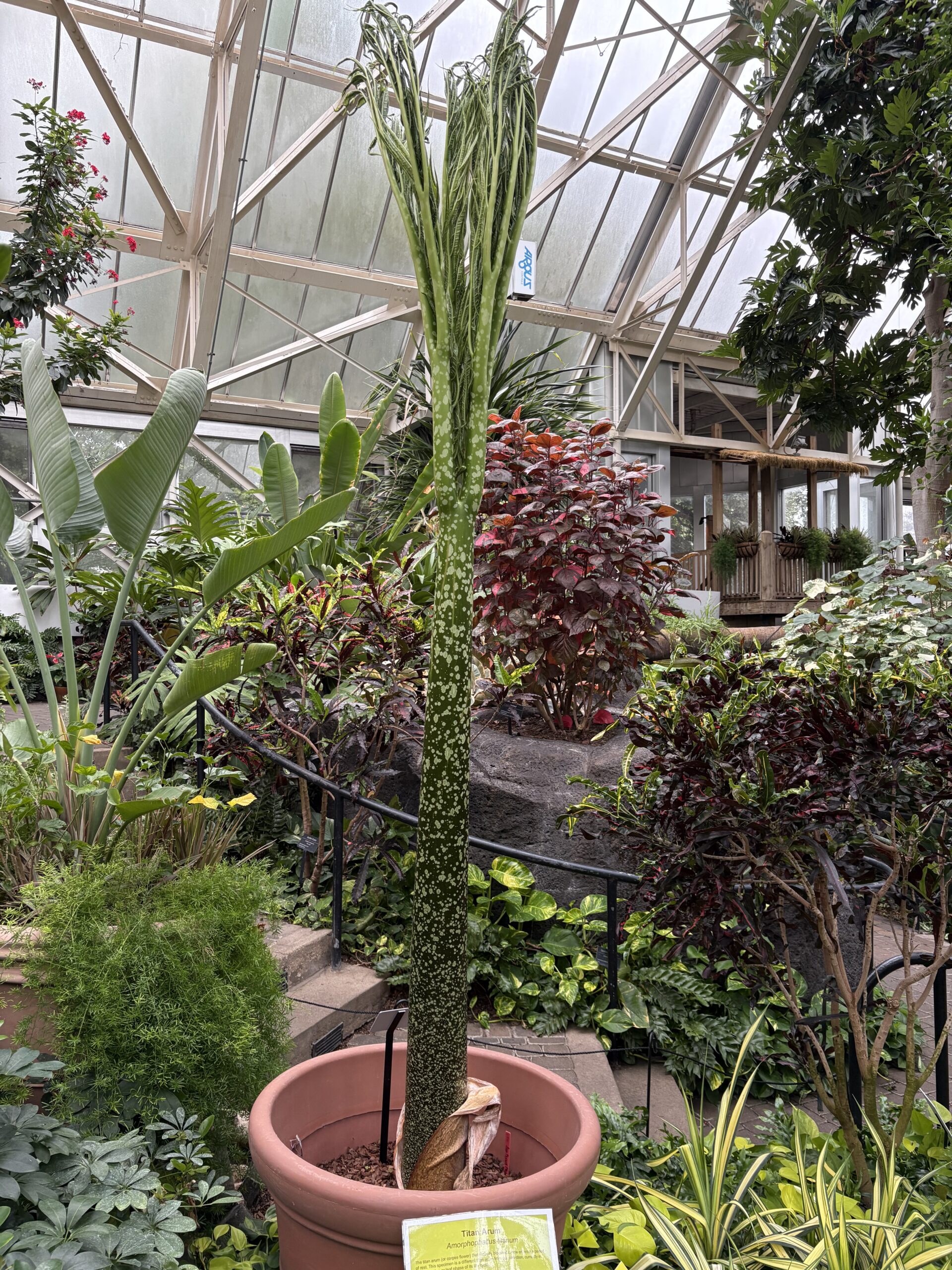
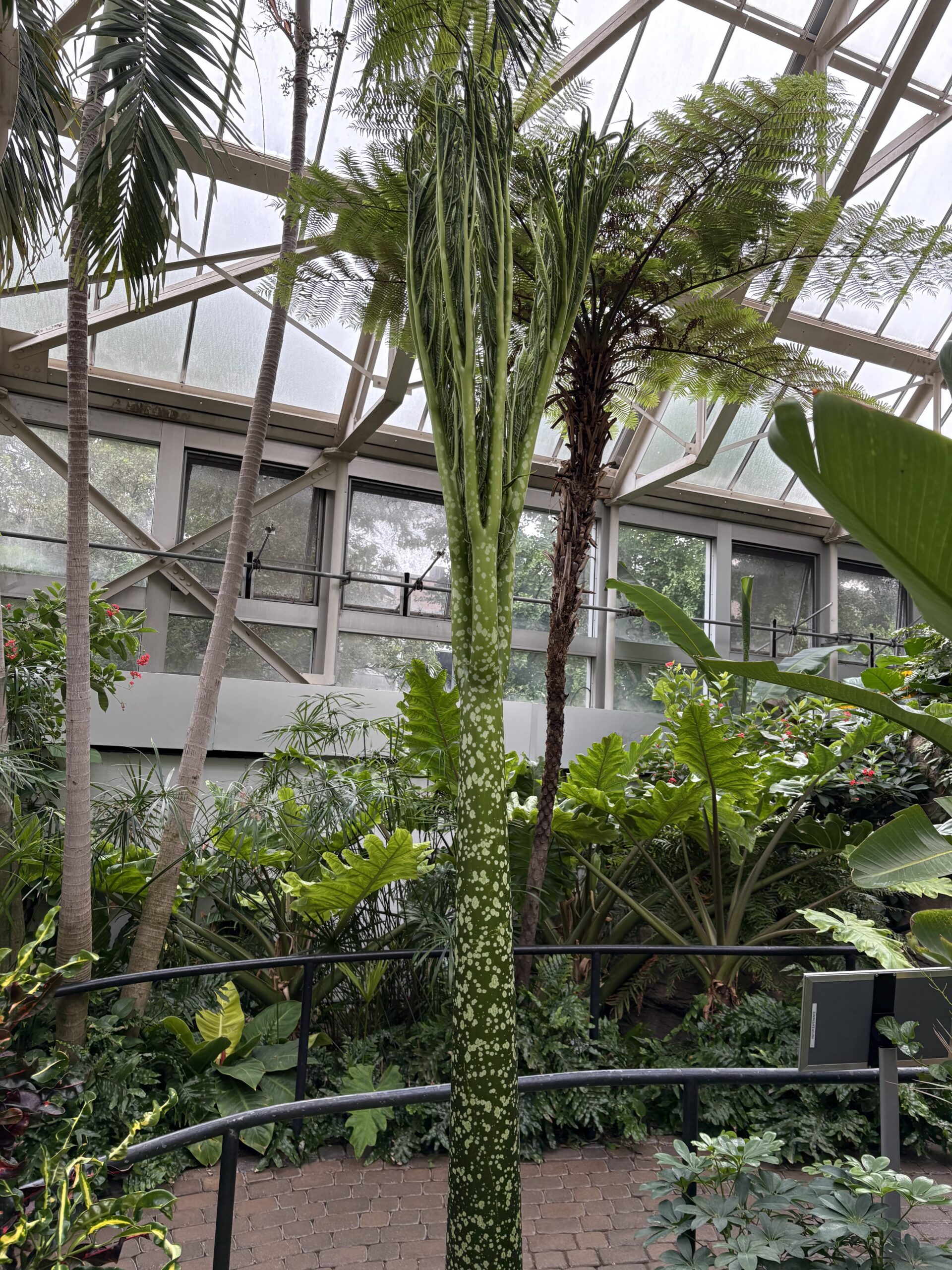
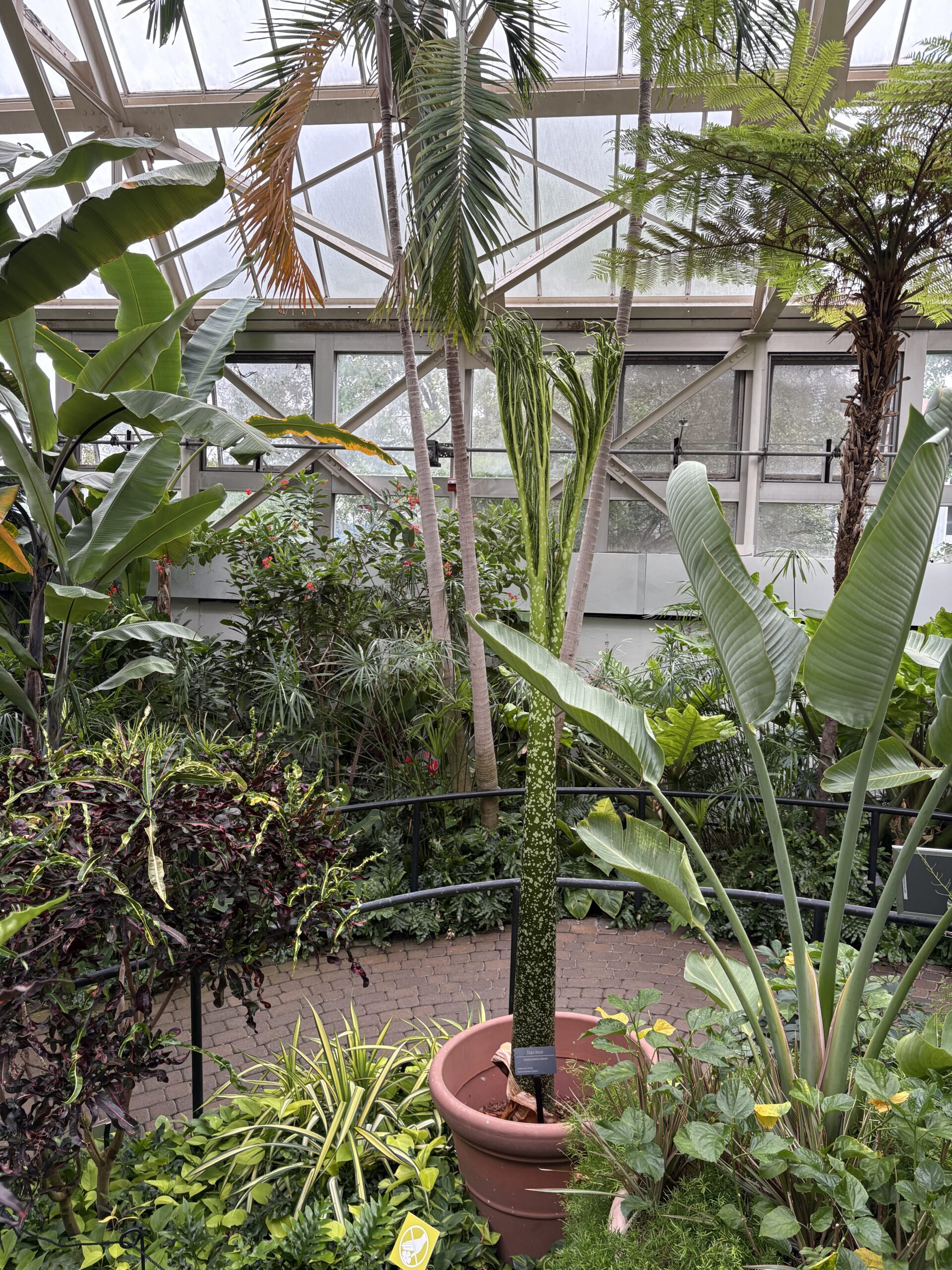
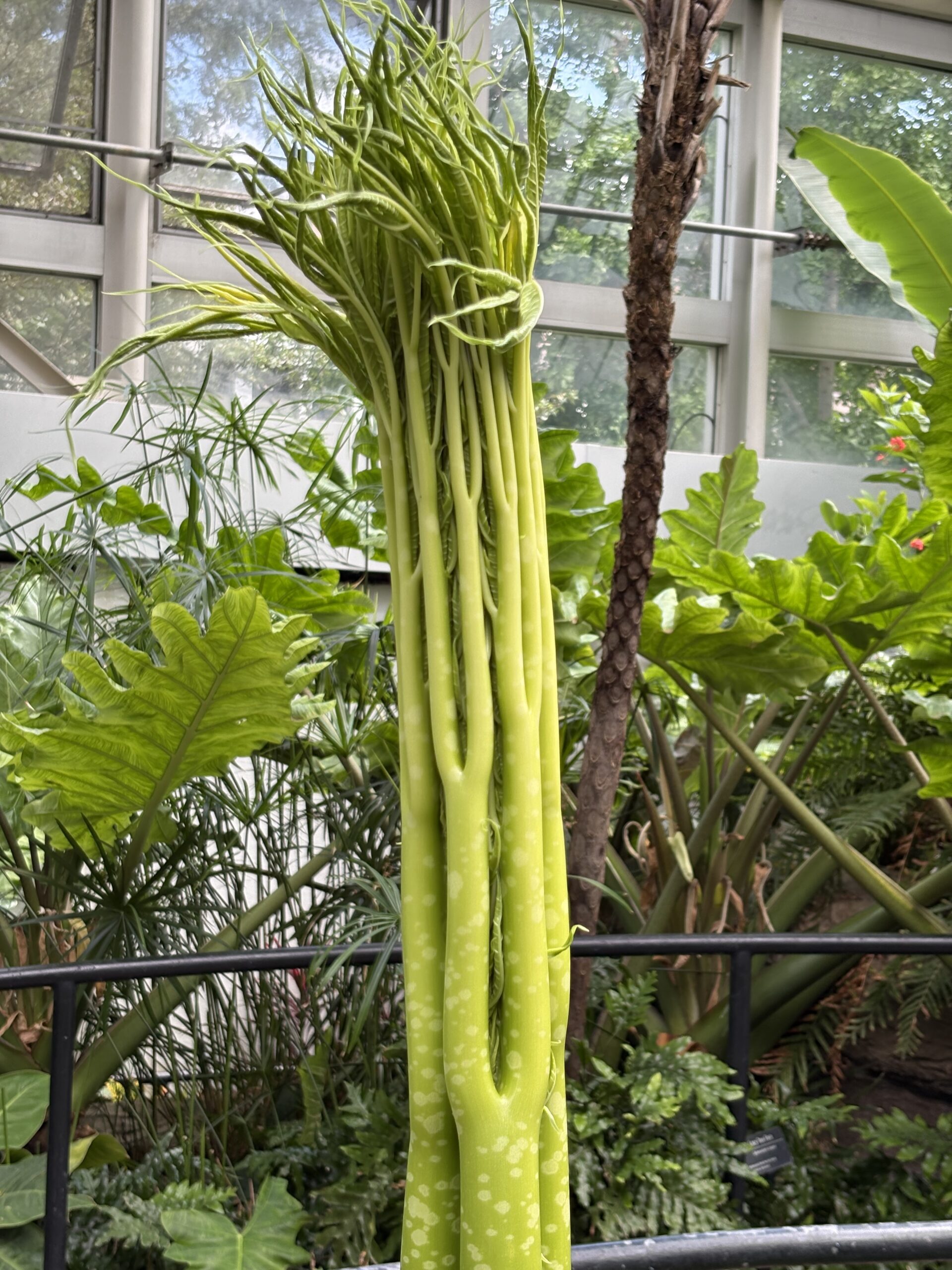
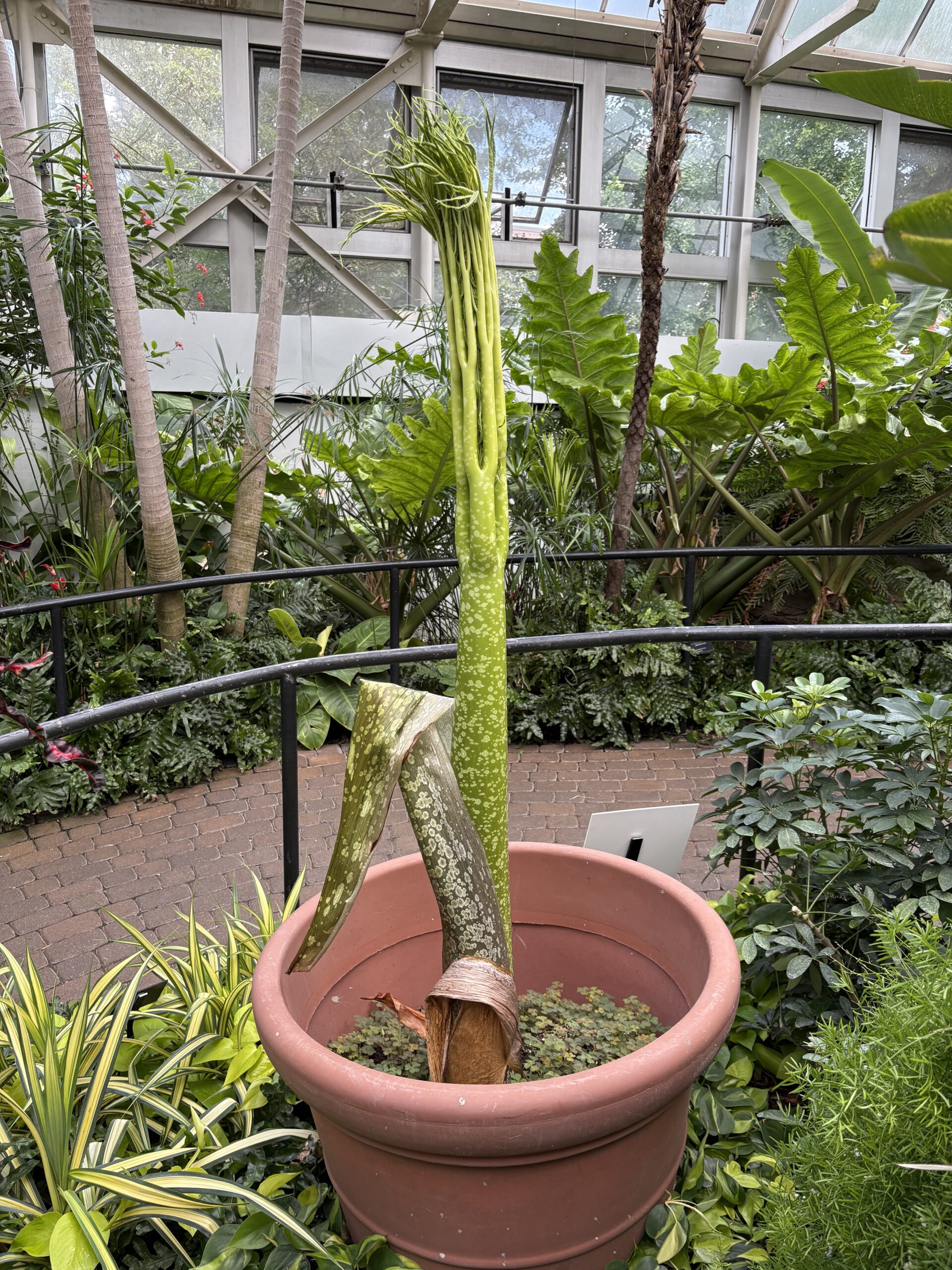
● The blooming of Amorphophallus titanum is a rare and unique event. It produces the largest unbranched inflorescence in the plant kingdom. The common name is titan arum, but is also called corpse flower.
● Amorphophallus titanum take roughly 7–10 years to produce their first bloom. After the first bloom, it may take another 3–5 years before flowering again, as the plant must store enough energy in its underground corm.
● This plant does not bloom annually. Instead, it cycles through multiple periods of vegetative growth before accumulating enough energy to produce its massive bloom.
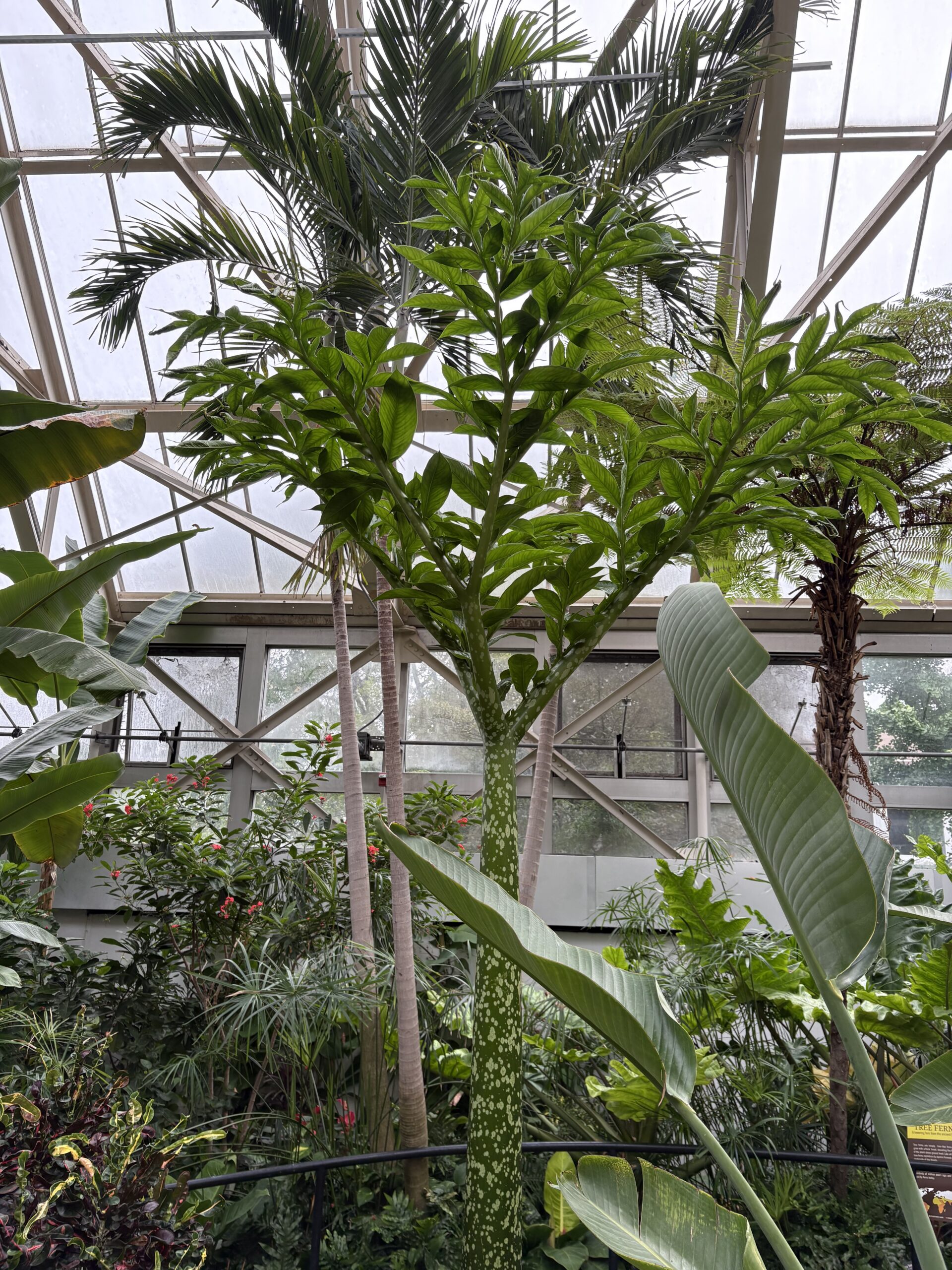
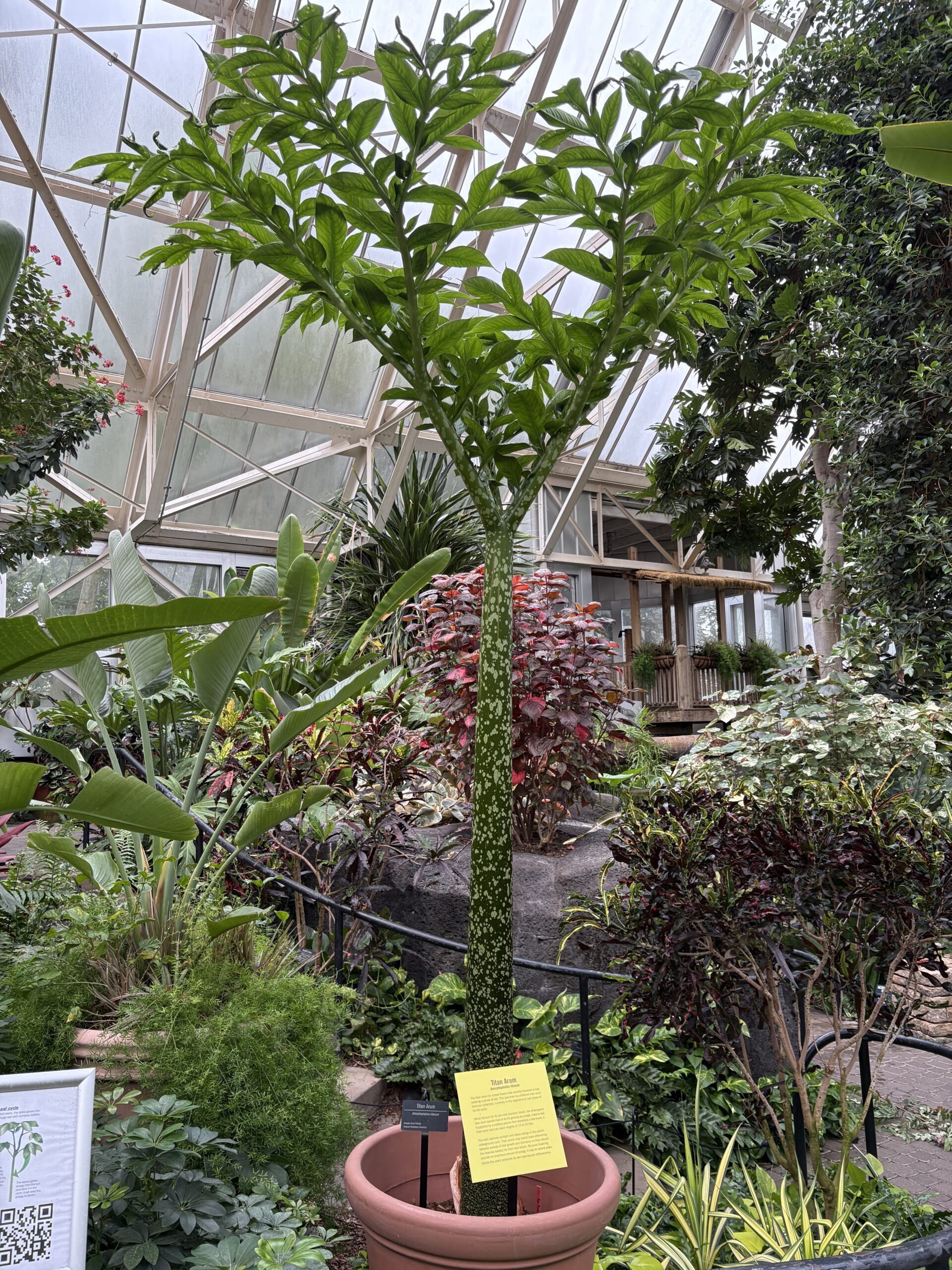
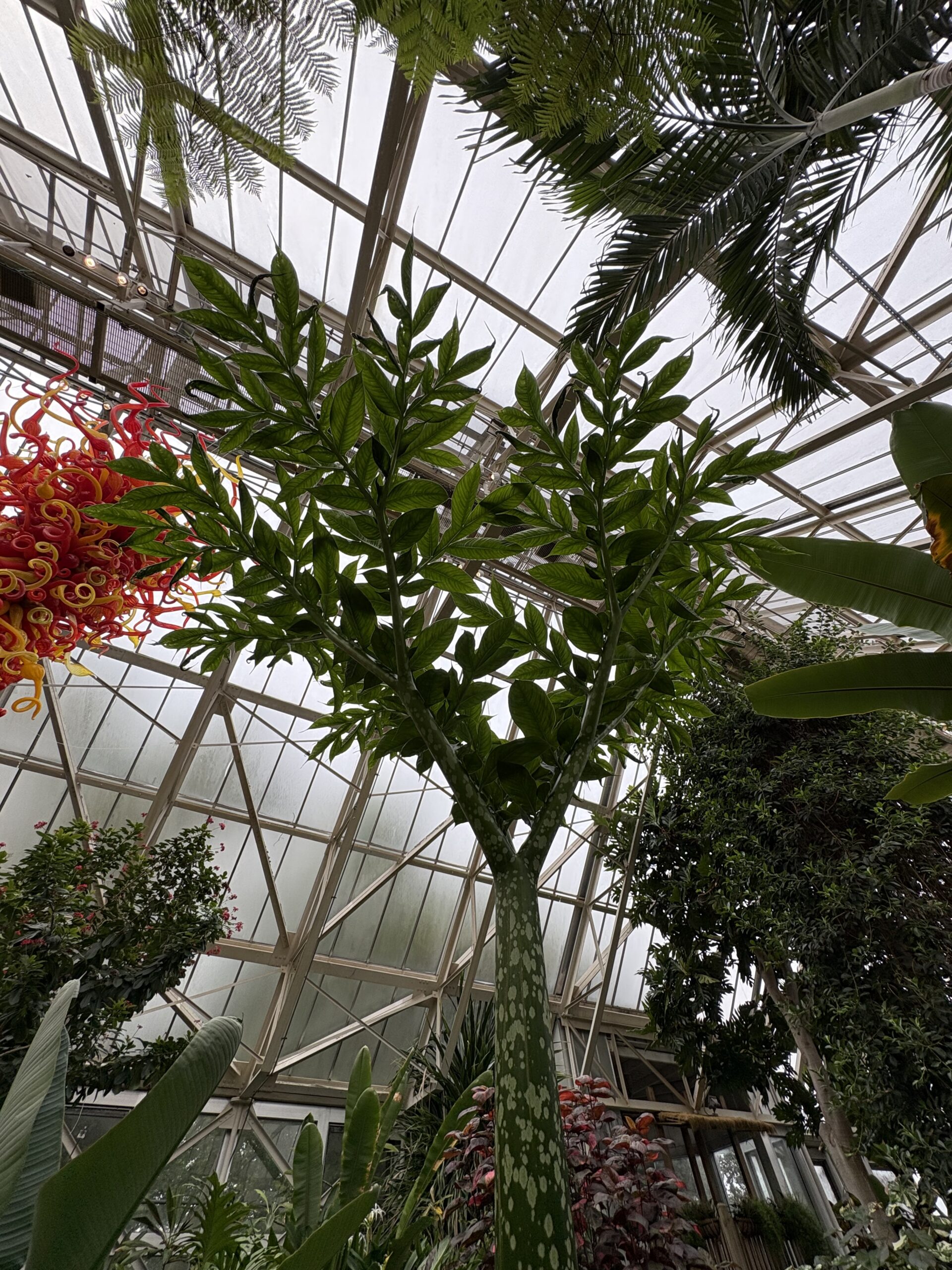
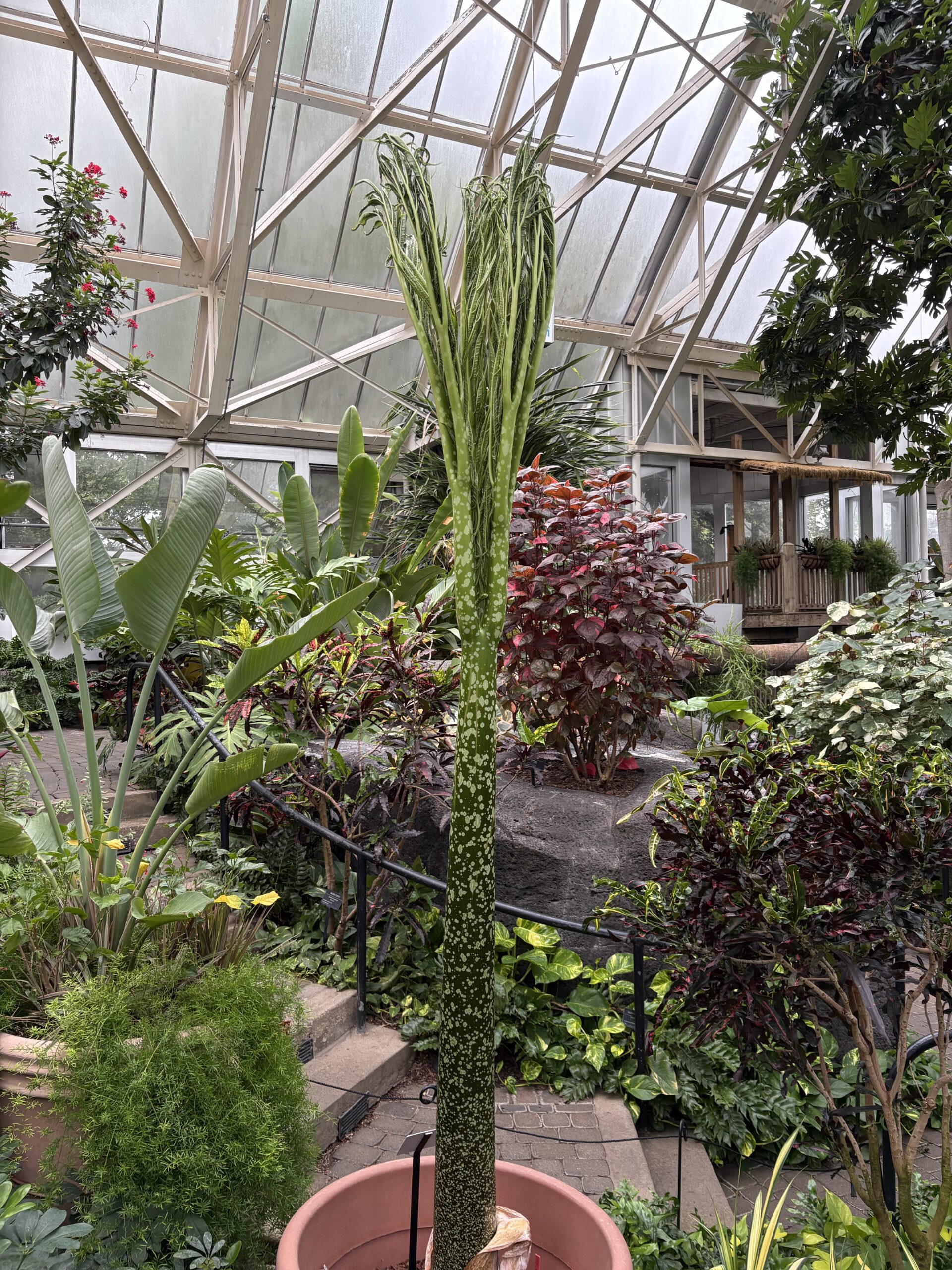
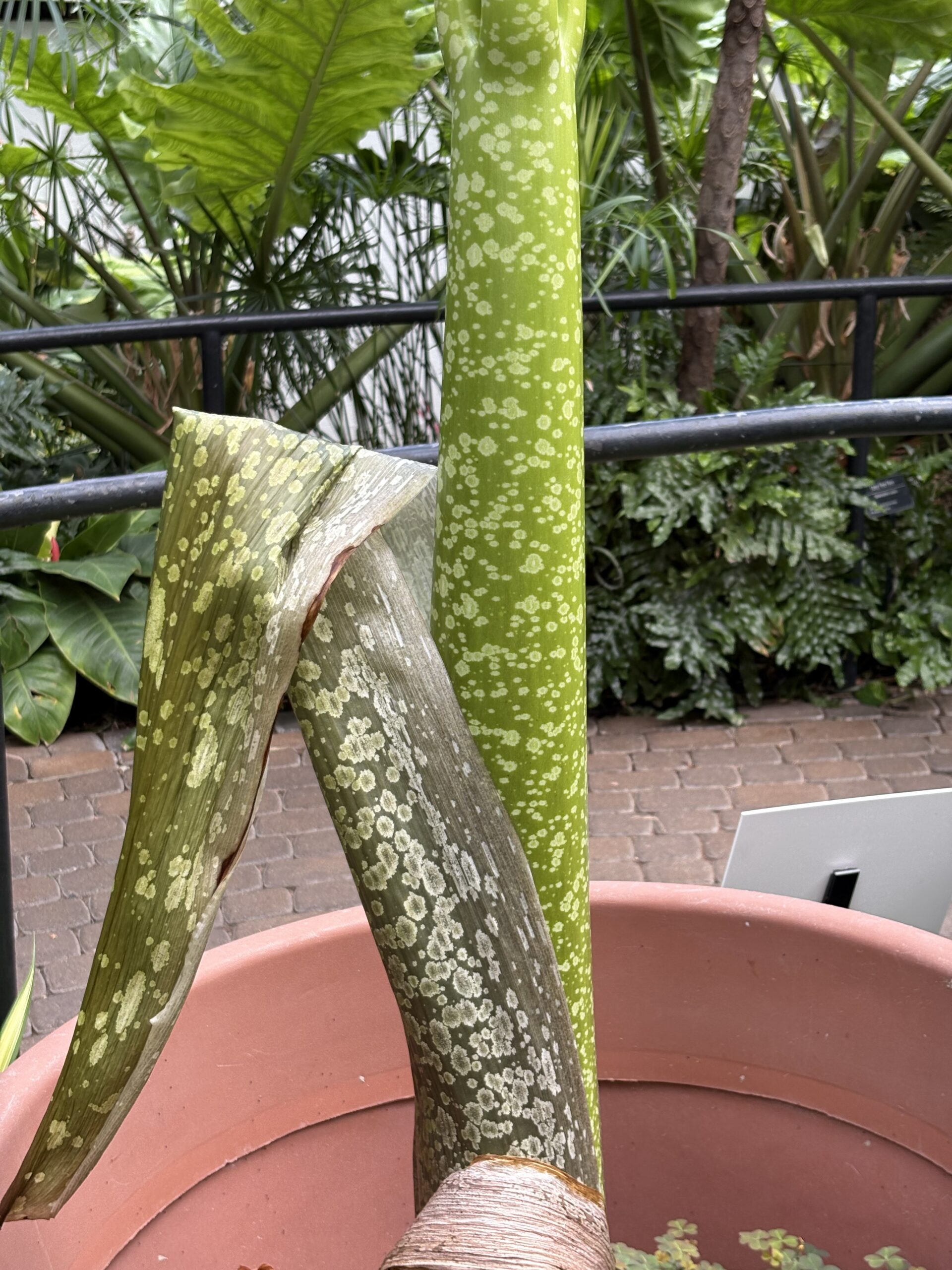
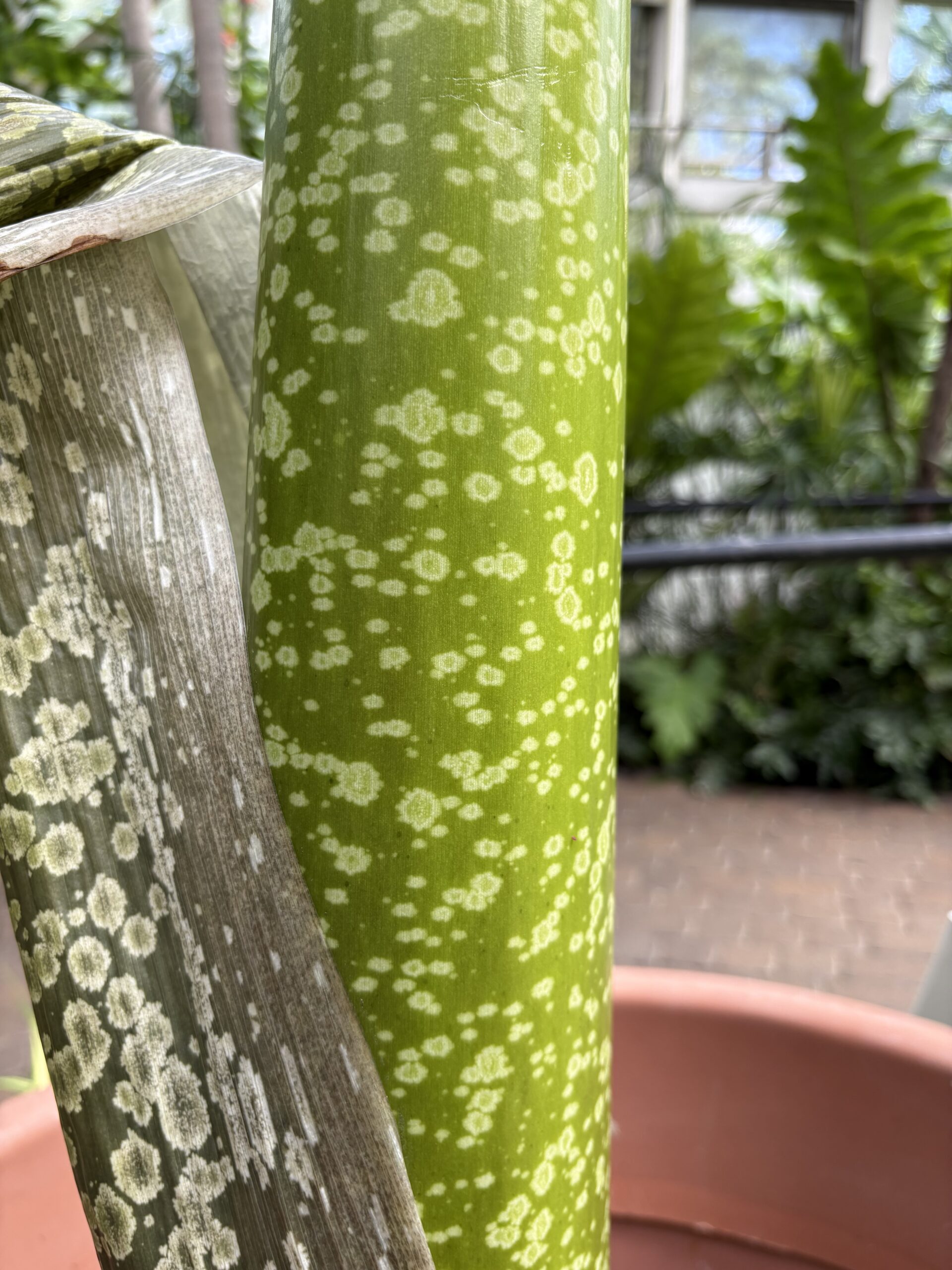
● During its vegetative state, the titan arum can resemble a small tree. However, it is actually a single highly divided leaf composed of a petiole and rachis that supports many leaflets. This vegetative growth can reach up to 15 feet tall, often taller than the bloom itself.
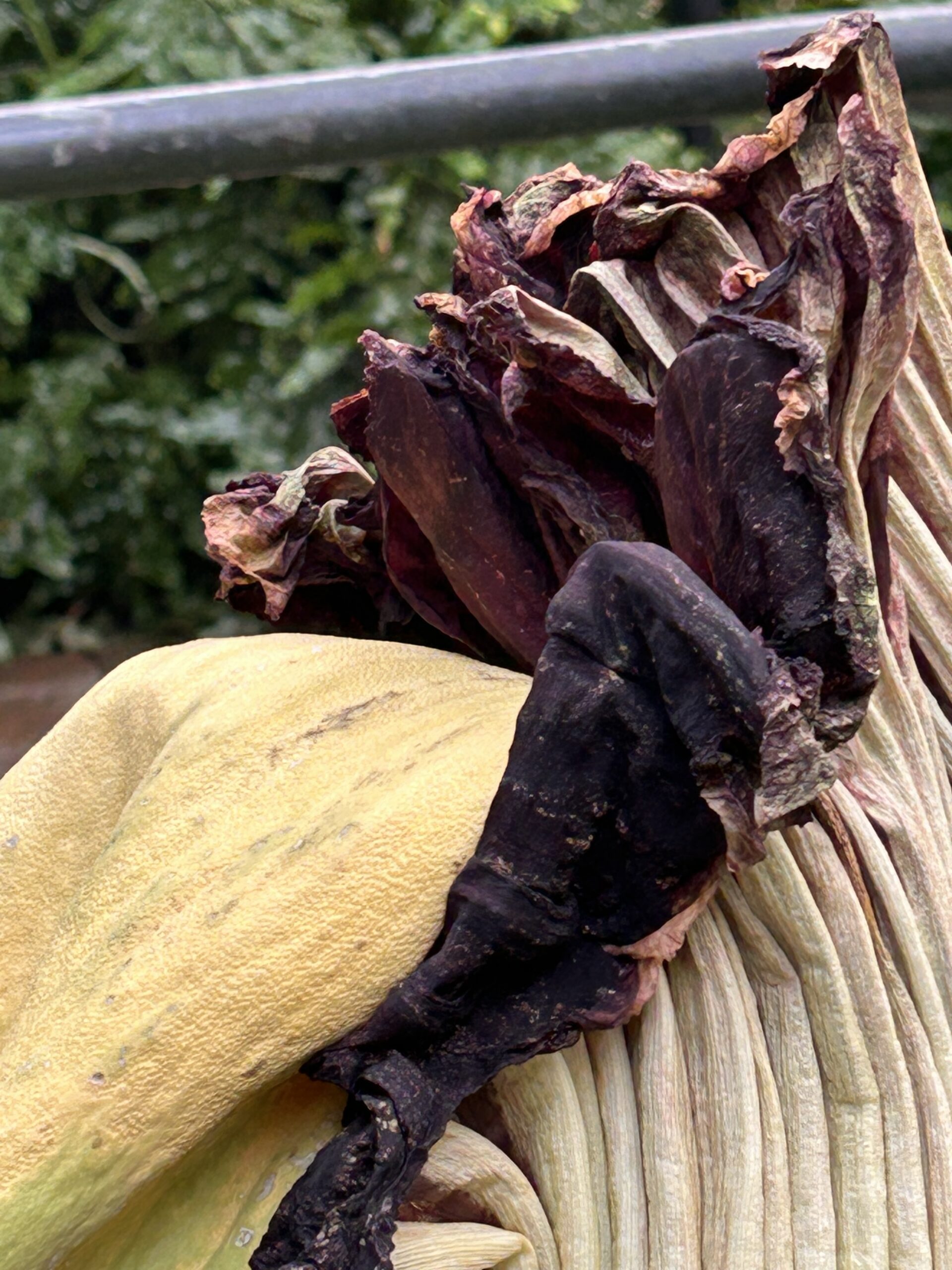
● In the wild, blooms can exceed 10 feet in height, while cultivated specimens typically range from 5–8 feet. The inflorescence remains open for only 24–36 hours before the spathe and spadix begin to collapse.
● During bloom, the titan arum emits a strong odor of rotting flesh to attract pollinators such as carrion beetles and flesh flies. The spadix also produces internal heat, reaching around 98°F at peak bloom, which helps disperse the scent more effectively.
● Native to the rainforests of Sumatra, the titan arum is highly unpredictable, making each bloom a rare opportunity to witness one of the most extraordinary events in the plant kingdom.
The titan usually begins opening in the afternoon or evening and then opens fairly rapidly over the next 10–12 hours. Within the first 1–2 hours, the spathe may already have opened 1–2 feet. A fully open spathe can reach 4 feet or more across. It is typically completely open by the early morning hours (around 2 a.m.), when its natural pollinators are most active. The spathe generally remains fully open for about 24 hours after opening begins. The best time to visit is the afternoon or evening that it opens, when the odor is at its strongest and you’ll likely see the greatest amount of fly activity around the titan. The following morning also offers the best opportunity to view the spectacular, fully open spathe.
The characteristic scent isn’t produced until the female and male flowers become receptive after the spathe begins to open. There are typically two distinct waves of odor, each corresponding with one of the flowering phases. The scent will linger even after the flowers are no longer receptive and the spathe remains open, but it won’t be nearly as pungent as during those peak periods.
No! General Admission includes access to all current exhibits at the Conservatory, including the corpse flower in the Pacific Island Water Garden. Advance ticket reservations are not required.
Yes! If you have a membership for a garden in the AHS network, you can gain entry to the Conservatory for regular daily admission by presenting your membership card at the front desk.
We do not honor reciprocal admission from the following:





Join our email list to get exclusive offers and updates on Conservatory events